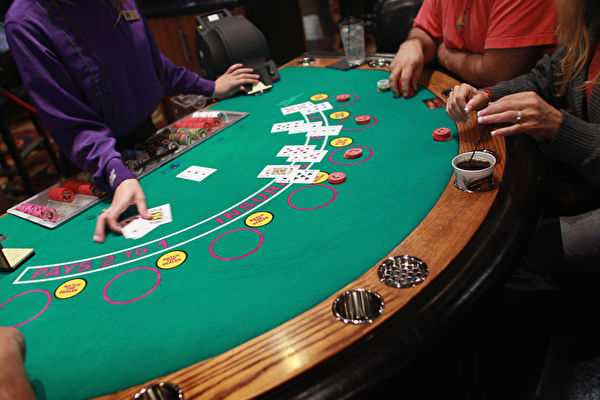
The evolution of casinos From ancient games to modern gaming hubs
The Origins of Gambling
The history of gambling dates back thousands of years, with evidence found in ancient civilizations such as China, Greece, and Rome. Archaeological discoveries reveal that games of chance were prevalent among the Chinese as early as 2300 BC, using rudimentary dice made from bones. The Greeks contributed to the gambling culture with games like knucklebones, while the Romans incorporated betting into their spectacles, enhancing the thrill of public events. These early games laid the foundation for modern gambling practices, demonstrating how deeply intertwined human culture is with games of chance. A great example of contemporary gaming is found at 77pokiescasino-au.com/, which showcases how far we’ve come.
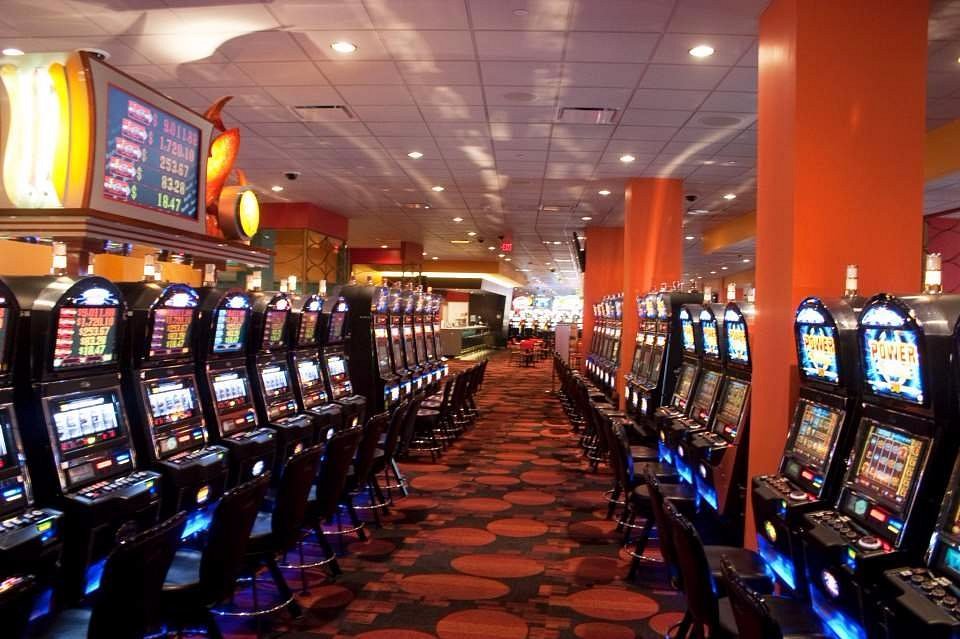
As societies evolved, so did the complexity of their gambling activities. In medieval Europe, gambling became more organized, leading to the establishment of formal games such as poker and blackjack. The rise of social gaming in taverns and private homes marked a significant shift, allowing people from different backgrounds to engage in games that required not only luck but also skill and strategy. This period was crucial in shaping the future of gambling, as it transitioned from mere entertainment to a structured social activity.
The introduction of cards in the 14th century further transformed gambling. The earliest known deck of playing cards originated in China and made its way to Europe, where it became wildly popular. By the time the Renaissance began, gambling houses started to emerge, offering a place for people to come together and engage in various games. This marked the transition from informal gambling to the establishment of casinos as social and recreational hubs.
The Birth of Modern Casinos
The first official casino, the Casino di Venezia, opened in 1638 in Venice, Italy. It offered a regulated environment for gambling, attracting a wide range of patrons from the elite to commoners. The concept of the casino spread quickly throughout Europe, with Paris following suit in the 18th century by establishing venues like the Palais Royal. These establishments introduced games like roulette and baccarat, which became staples in casinos worldwide. The notion of a casino as a place of leisure and entertainment began to take shape, creating a more structured experience for gamblers.
Throughout the 19th century, casinos became symbols of luxury and excess, particularly in places like Monte Carlo and Baden-Baden. These venues not only offered gambling but also a variety of entertainment options, including music and dining. The allure of casinos was such that they became destinations for travelers seeking both excitement and social engagement. This era solidified the casino’s reputation as a glamorous escape, one that combined the thrill of chance with an opulent atmosphere.
As gambling continued to flourish, legal frameworks began to emerge to regulate the industry. In the early 20th century, Las Vegas transformed the gambling landscape by legalizing casinos in 1931, paving the way for its evolution into the entertainment capital of the world. The Las Vegas Strip became synonymous with opulence and innovation, drawing millions of visitors annually. This period marked a turning point in casino history, as they began to evolve into massive entertainment complexes, offering not just gambling but an array of attractions, including shows, fine dining, and nightlife.
The Digital Revolution in Gambling
The late 20th century witnessed a significant transformation in the gambling industry with the advent of the internet. Online casinos emerged, allowing players to gamble from the comfort of their homes. This innovation opened new avenues for gaming, making a wide variety of games accessible to a global audience. Players could now enjoy traditional casino experiences through online platforms, including poker, blackjack, and slots, revolutionizing how people approached gambling.
The rise of mobile technology further propelled the online gambling industry. Mobile casinos became increasingly popular, allowing users to place bets and play games on smartphones and tablets. This convenience created a new generation of gamblers who preferred the flexibility of gaming on-the-go. Promotions and bonuses targeted towards mobile users also encouraged participation, leading to an unprecedented increase in online gaming revenue.
Moreover, advancements in technology have allowed for innovations such as live dealer games, which bridge the gap between online and land-based casinos. Players can interact with real dealers via live streaming, providing an authentic casino experience from their homes. This integration of technology has changed the dynamics of gambling, making it more interactive and immersive, and catering to an increasingly tech-savvy audience.
The Future of Casinos
The future of casinos appears poised for continued evolution, particularly with the growing acceptance of cryptocurrencies and blockchain technology in gambling. Many casinos are beginning to accept digital currencies, providing more options for players while ensuring secure and transparent transactions. This shift not only appeals to tech enthusiasts but also caters to a younger demographic increasingly inclined towards digital financial solutions.
Additionally, the use of virtual reality (VR) and augmented reality (AR) in casinos is on the horizon, aiming to create fully immersive gaming experiences. Players could potentially enter a virtual casino where they can interact with other players and dealers in real time, adding a new dimension to online gambling. This technological integration is set to redefine how casinos operate and how players engage with games, potentially attracting a wider audience.
Furthermore, responsible gaming initiatives are likely to become more prominent in the future. As awareness of gambling addiction and its effects grows, casinos are expected to implement more robust measures to promote safe gambling practices. This shift will not only safeguard players but also foster a more sustainable gaming environment, ensuring that casinos remain enjoyable and secure places for all patrons.

Exploring Online Gaming Platforms
As the gambling landscape continues to evolve, online gaming platforms are becoming increasingly popular and accessible. Websites like 77Pokies Casino Australia offer a wide range of gaming options, catering to both seasoned players and newcomers. With over 2,000 premium slot games and exciting promotions, these platforms provide an engaging and rewarding experience. The convenience of playing from home, combined with innovative gaming technologies, makes online casinos an attractive alternative to traditional venues.
77Pokies Casino exemplifies how online gaming can merge entertainment with responsible gaming practices. The platform ensures a secure environment by offering a variety of responsible gaming tools that help players manage their gambling habits. This commitment to player safety is becoming essential as online gaming continues to gain traction, reinforcing the importance of a balanced and responsible approach to gambling.
With easy payment options, including cryptocurrencies and popular methods like PayID, online casinos are streamlining the gaming experience for users. Fast withdrawal times and an intuitive platform further enhance the appeal of these digital gaming hubs, positioning them as key players in the gambling industry’s evolution. As technology continues to advance, the future of online casinos looks bright, promising exciting developments for gamers worldwide.