
The Ultimate Guide to Baby Carriers

Keeping baby close—why the right baby carrier matters.
The Ultimate Guide to Baby Carriers
Simply put, baby carriers make it easy to keep the small, safe and comfortable while continuing through the day – and they release your hands so you can get things. For example, whether you irritate the house, catch grocery articles or just go out for a little fresh air, the right carrier turns the time to calm the daily tasks.
In fact, for generations, parents from all over the world have wrapped up and taken their children for centuries. Today’s design honors the traditions of soft, breathing and safety functions suitable for modern life. Therefore, throughout this guide, you will learn about each larger carrier, professionals and resistance from each, how to choose the most important safety tips and the carrier that works right for both of you.
Wrap carriers have been used in cultures for centuries, seen in regions such as Africa, South America and Asia with traditional barbarization. Today’s modern rap draws inspiration from these timeless practices by using soft, breathable designs for comfort and safety.
In this guide we will go through everything you need to know about the child’s carrier. From different types and their benefits to safety tips and how to choose the best, you will find clear answers here.
Why the Baby Carriers are Necessary for Parents
Above all, catching your baby is one of the most important things you can do in the first few months. However, still it is not always convenient to take your child to your child through the day. This is the place where baby carriers come.
As a result, carriers allow you to:
- First, strengthen your tape with your child
- Help your child feel safe and safe
- Crying and reducing disturbance
- Releases your hands to do other tasks
- Support Breast Feeding When You Go
- Explore the world together
Studies show that children cry less and sleep better. For parents, babywearing can reduce stress and improve mobility, especially when navigating in a tight place or uneven area.
How to Choose the Right Baby Carrier Type
That said, there are no size-passes-all approaches. Each conveyor types are professionals and resistance. Specifically, here’s a breakdown:
Wrap Baby Carriers: Gentle Support for Newborns
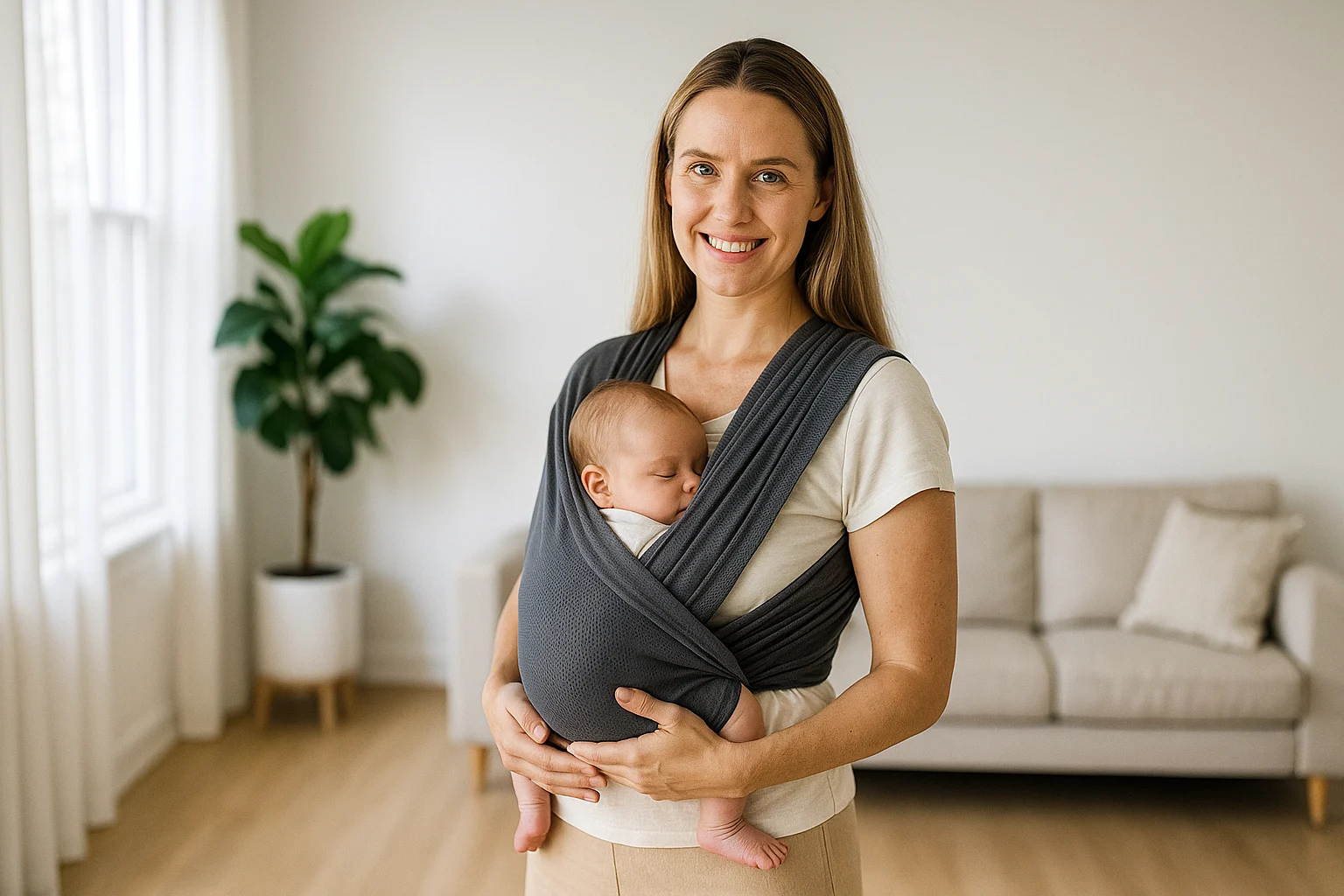
Real-life banner image of the GROWNSY Comfy-Air Breathable Baby Carrier in use.
To begin, wrapped carriers are a favorite option for new parents who want to stay close to their child in the first few months. Made of long, soft fabrics, a dense, packed around the body to create a custom grip. This simple, yet safe design makes them perfect for skin exposure to skin and helps create a strong bond between parents and baby.
Most importantly, one of the biggest benefits of the rap carrier is how well they support the delicate body of the newborn. The fabric evenly distributes the baby’s weight over the shoulders, back and hips, making it comfortable to wear for longer periods. Consequently, since the rap shapes of your shape, it provides a very adjustable fit for all body types. This makes it ideal for shared use between parents or carers.
At first, learning to tie wrapped can do some practice, many parents feel that it quickly becomes another nature. It is not the fastest carrier, but it is one of the most nutritious, especially during the first days of the house.
If you are looking for a child’s carrier that provides closeness, comfort and soft support, it is a great way to keep your child close.
Ring Sling Baby Carriers: Stylish and Easy for Everyday Use

Hip Baby Wrap Ring Sling Baby Carrier in everyday use.
Likewise, ring slings are a popular choice for parents who want a fast, comfortable, and stylish way to carry their baby. Made from a single length of fabric threaded through two rings, they allow for easy adjustments and a snug fit every time. These carriers are especially handy for short outings, quick errands, or soothing a fussy newborn at home.
Notably, one of the biggest advantages of ring slings is their simplicity. You can slip your baby in and out with ease, making them ideal for those “up and down” moments throughout the day. They’re also breathable and lightweight, making them a great option for warmer weather. With a wide range of fabric choices and patterns, many parents love that ring slings can be both functional and fashionable.
However, while they’re perfect for newborns and smaller babies, the weight resting on one shoulder can become uncomfortable over longer periods. Still, with proper positioning and support, many parents find them perfect for everyday tasks.
If you need a baby carrier that’s easy to use, compact, and offers a close, secure hold, a ring sling is a wonderful option. It’s a beautiful blend of convenience, comfort, and closeness—all in one simple design.
Evenflo Breathable Infant Baby Carrier: Secure, Comfortable & Versatile

Wide banner photo showcasing the Evenflo Breathable Infant Soft Carrier in real-life use.
Soft Structured Carriers, often known as SSCs, are a go-to choice for many parents. With padded shoulder straps, a supportive waist belt, and an easy buckle system, these carriers offer a secure, ergonomic way to carry your baby throughout the day. They combine structure with comfort, making them ideal for daily use, travel, or long walks.
Moreover, one of the key benefits of SSCs is their ease of use. Most models are quick to put on and adjust, even when you’re alone. They evenly distribute your baby’s weight, which helps reduce strain on your back and shoulders. Many designs offer multiple carrying positions—front, hip, or back—and can be used from infancy to toddlerhood. Some even come with adjustable panels to grow with your baby.
Even so, although they may feel a bit bulky compared to wraps or slings, their sturdy design provides added security and support, especially for longer outings. For newborns, a separate infant insert may be needed depending on the brand.
If you’re seeking a baby carrier that’s practical, reliable, and built for comfort, Soft Structured Carriers are a fantastic choice. They fit seamlessly into active lifestyles and provide peace of mind with every use.
Momcozy Meh Dai Baby Carrier: Tradition Meets Modern Comfort

Realistic banner photo showcasing the Momcozy Baby Carrier in everyday use.
Similarly, Momcozy baby carriers offer a beautiful blend of traditional baywearing and modern convenience. Originating from Asian cultures, these carriers feature a structured fabric panel with long, tie able straps. They’re ideal for parents who want a customizable fit without buckles or complicated adjustments.
Additionally, one of the biggest advantages of Momcozy baby carriers is their versatility. You can wear your baby on the front, hip, or back, adjusting the fit each time to suit your comfort. The wide straps distribute weight evenly across your shoulders and waist, making them suitable for extended wear. They work well for newborns and can grow with your child into toddlerhood.
Another benefit is the soft, flexible design that molds to both your body and your baby’s shape. This promotes a close, secure hold that many babies find calming. While tying the straps may take a little practice, most parents find it becomes second nature with use.
If you’re looking for a baby carrier that offers both custom comfort and timeless style, Meh Dai is a wonderful choice. It’s a supportive, adaptable option that honors babywearing traditions while fitting effortlessly into modern parenting routines.
Backpack Baby Carriers: Best for Hiking and Travel

Explore farther with supportive backpack baby carriers.
For active families, backpack carriers are the perfect solution for active parents who love the outdoors. Designed with structure, support, and long-distance comfort in mind, these carriers are a top choice for hiking, traveling, or any extended adventure. With their sturdy frames and spacious design, they offer a reliable way to carry older babies and toddlers while keeping your hands free.
One of the biggest advantages of backpack carriers is their excellent weight distribution. Padded shoulder straps and lumbar support reduce strain, making it easier to carry your child over longer distances. Many models come with built-in storage compartments, so you can pack snacks, diapers, or even water bottles—all in one place. These carriers are also highly durable and built to handle different terrains.
However, due to their larger size, they’re not ideal for infants or quick errands. But for nature lovers and travelers, the benefits far outweigh the bulk.
If your family enjoys long walks, nature trails, or day trips, a backpack carrier can be a game changer. It combines comfort, storage, and freedom, giving both parent and child a chance to explore the world together—safely and comfortably.
Key Features to Look For in Baby Carriers
Not all carriers are created equal. To make the right choice, consider these factors:
1. Comfort: Check for padded straps and good lumbar support. The more adjustable it is, the better it will suit your body type.
2. Baby’s Position: A healthy carrier supports the natural “M” position. Your baby’s knees should sit higher than their bottom.
3. Ease of Use: Pick a carrier that fits into your routine. If you’re always on the go, a quick-buckle style might be best.
4. Safety: Choose carriers that meet safety standards. Make sure the fabric is strong, breathable, and non-toxic.
5. Longevity: Some carriers grow with your baby. Look for adjustable seats and straps that fit infants and toddlers alike.
Safety Tips for Using Baby Carriers
Keeping your baby safe in a carrier should always come first. These safety checks can help:
- Tightness: The carrier should be snug but not too tight.
- In view: Always keep your baby’s face visible.
- Chin up: Their chin should never rest on their chest.
- Back support: Their back should be naturally curved and supported.
- Airways clear: Make sure there’s no fabric covering their nose or mouth.
Following the T.I.C.K.S. rule (Tight, in view, Close enough to kiss, keep chin off chest, supported back) is a simple way to ensure your baby’s safety.
Benefits of Baby Carriers for Both Parents and Babies
For Babies: Better sleep, Improved digestion, Emotional security, Reduced colic.
For Parents: Less arm strain, Greater freedom, Closer bonding, Easier multitasking.
Many new parents find that wearing their baby builds confidence, especially in the early months. It creates a natural rhythm between parent and child.
They’re particularly helpful during the fourth trimester, offering a womb-like experience that calms babies and helps regulate their temperature, breathing, and heart rate. Wraps also allow discreet breastfeeding, making them ideal for soothing and feeding on the go.
How to Pick the Best Baby Carrier for Your Lifestyle
Think about your lifestyle. Are you often at home? Do you need to carry your baby on long walks? These questions matter.
Ask yourself:
- Do I need a newborn-friendly carrier?
- Will I be using it alone or with help?
- What’s my budget?
- Is it washable?
- Does it support my baby’s hips?
Try on a few styles before buying if possible. Local babywearing groups or parenting classes often have lending libraries or trial options.
Top Baby Carrier Brands to Explore
While personal comfort is key, some brands consistently offer quality and safety. Here are a few trusted names:
- Ergobaby – Well-known for ergonomic support and versatility
- BabyBjörn – Easy to use and soft materials
- Boba – Great for wraps and SSCs
- LILLEbaby – Multiple carrying positions and lumbar support
- Tula – Stylish prints with strong comfort features
Each brand has its strengths. Read reviews, compare materials, and make sure the sizing suits your baby’s weight and age.
When to Use Baby Carriers: Age, Weight & Readiness Guide
You can use a baby carrier from birth if it’s designed for newborns. Many wraps and slings are perfect from day one. For structured carriers, check the weight limit and insert requirements.
Most carriers are useful until your baby reaches about 35 pounds or around 3 years old. Some models handle even more weight.
Signs your baby might be ready to move on:
- You both feel uncomfortable
- They resist being carried
- You prefer strollers or walking more often
Listen to your child’s cues and adapt as needed.
Common Baby Carrier Myths You Shouldn’t Believe
A few common myths can confuse new parents. Let’s clear some up:
“Carriers are unsafe.”
Quality carriers are safe if used correctly. Follow the guidelines and stay alert.
“Only moms should babywear.”
Dads, grandparents, and siblings can all use baby carriers.
“It will spoil the baby.”
Holding your baby builds trust. Babywearing does not spoil a child.
“It’s too hot for carriers.”
Light fabric options and breathable designs make carriers useful even in warmer weather.
Maintaining Baby Carriers: Cleaning & Care Tips
Your carrier goes through a lot. Regular care will keep it in great shape.
- Follow wash instructions on the label
- Spot clean when possible
- Store in a cool, dry place
- Check buckles and seams often
Actually, some carriers are machine washable, while others need handwashing. A well-maintained carrier will last through multiple children.
Choosing the Best Baby Carrier
Ultimately, when it comes to baby carriers, comfort, safety, and convenience are key. Find one that fits your needs and supports your baby’s development. Whether you choose a wrap, sling, or structured carrier, the right fit makes all the difference.
In the end, parents should keep your baby close, your hands free, and your days a little easier. The best baby carrier is the one that feels just right for both of you. SupplyUSA Also provide other baby products, you can explore.
