Electric Cars Are Here—But Are They Right for You?
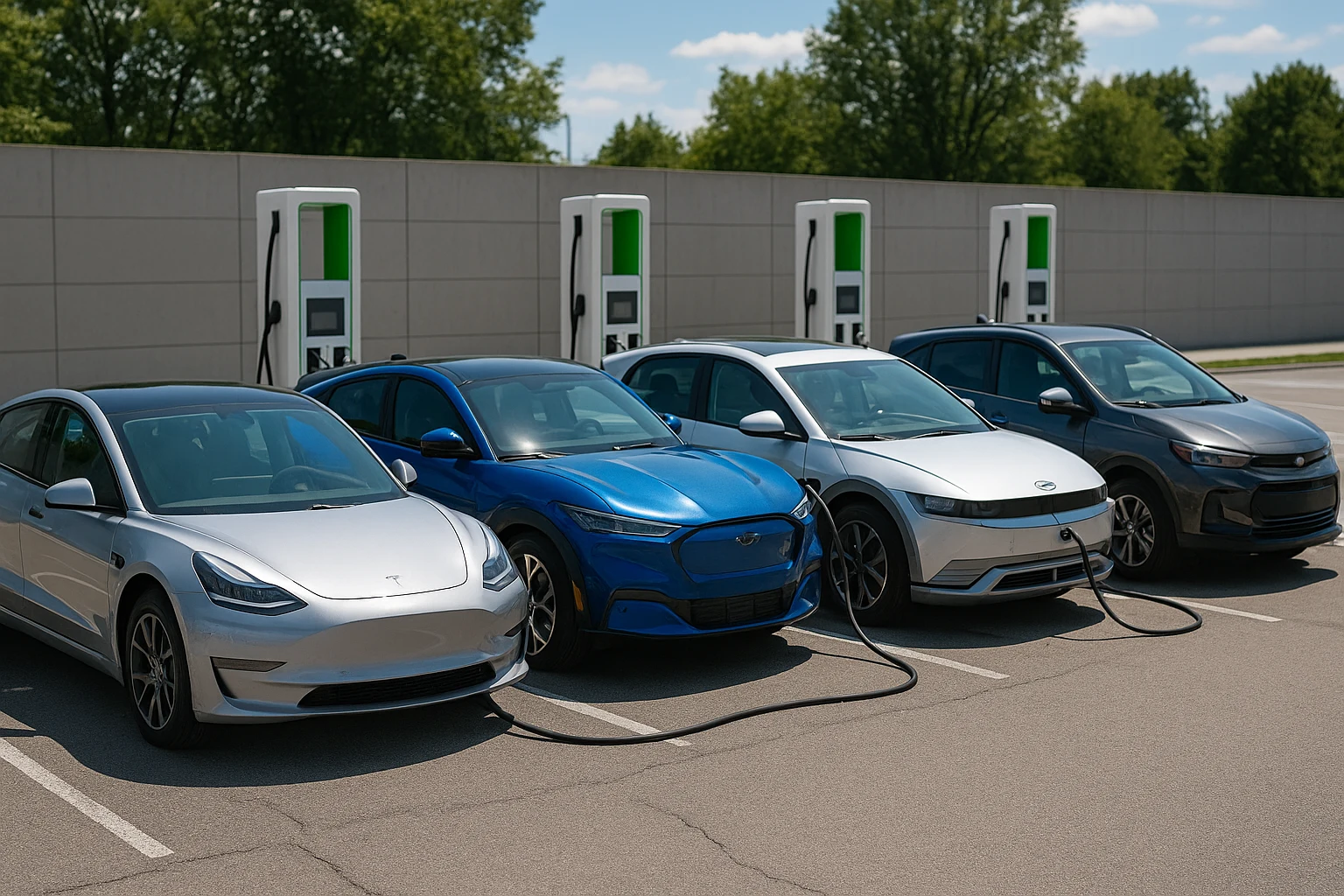
Electric Vehicles (EV) are no longer just a future idea. They are here and they change our way of driving. With increasing concern about climate change. Increasing fuel costs and state incentives for clean energy. Electric cars become more popular each year. But are they right for you?
Electric vehicles did not rise overnight. A decade ago, EVS was rare and expensive, with limited boundaries and charging options. But things changed fast. Tesla proved that electric cars could be stylish and faster. Governments introduced climate policies and incentives. Battery tech improved. Now, almost every major automaker has joined the race, and consumers are noticing. Whether you are planning to travel daily or at weekends. Electric cars become practical for all types of drivers.
In this guide, we will break down what we want to know. We will look at the top EV model, compare it and explain the pros and cons. If you are thinking of switching, this article will help you make decisions.
Why Electric Vehicles Are the Future
Electric vehicles are expected to dominate future roads. As countries push for zero-emission transportation. EVs are powered by electricity instead of gasoline. This means that there are no telecom emissions and low maintenance, and fuel costs. Several countries insist on banning gas-powered cars by 2035 or soon. So it is clear that electricity is the direction we are headed.
Key reasons why electric cars are taking over:
- Eco-friendly: Zero-emission with zero tail type helps to reduce air pollution.
- Cheap to run: Electricity is cheaper than gasoline, especially at home.
- Low maintenance: Fewer moving parts mean fewer breakdowns.
- Incentives: Tax credits and rebates can save you thousands.
Top Electric Vehicles of 2025
Let’s look at the best electric cars you should consider now.
Tesla Model 3 – The Popular Choice
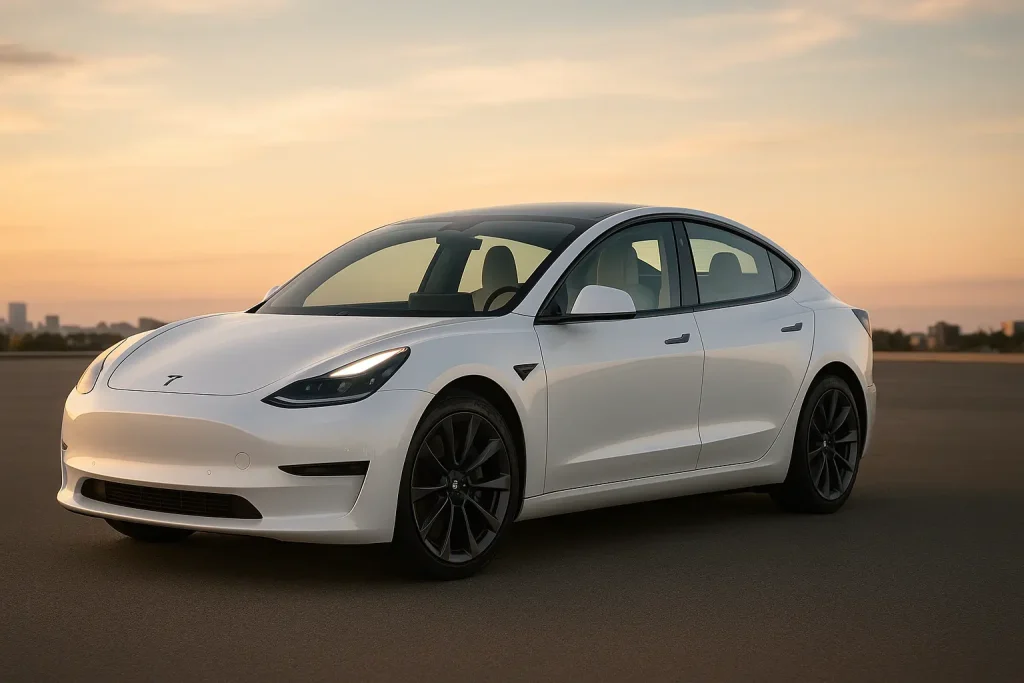
The Tesla Model 3 delivers exceptional range, minimalist design, and cutting-edge electric performance at a competitive price.
Tesla Model 3 has set a goal in the EV market. It is sharp, smooth and packed with smart features. With a distance of over 330 miles, it is great for both the city’s driving and long trips. Among all electric vehicles, the Tesla Model 3 remains a top seller.
Important features:
Range: Up to 358 miles
- Fast acceleration (0–60 mph in 4.2 seconds)
- Autopilot driver assistance
- Over-the-air software updates
Advantages:
- Excellent range and charging network
- Top-tier tech features
- Fast performance
Disadvantages:
- Expensive repair costs
- Basic interior compared to some rivals
Ford Mustang Mach-E – The SUV Challenger
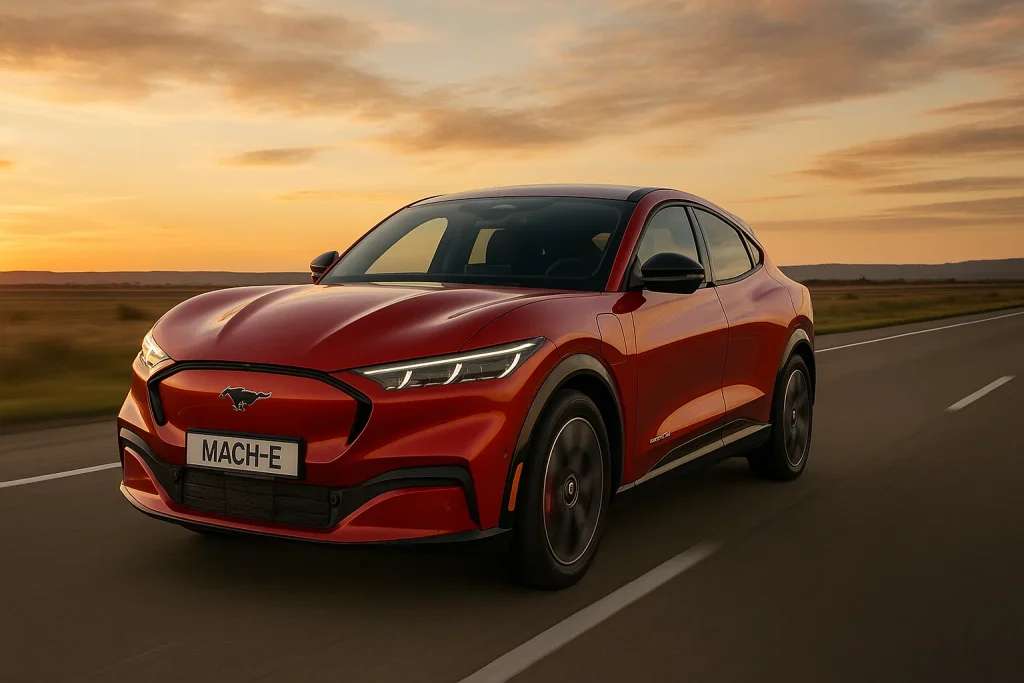
The Ford Mustang Mach-E combines Mustang heritage with all-electric performance in a modern SUV form.
Ford’s response to the Mustang Mach-e, Tesla Model Y. It is an electric SUV that delivers style. Performance and space in a package. This electric vehicle blends Mustang heritage with cutting-edge EV tech.
Important features:
- Range: Up to 312 miles
- Sleek SUV design
- Sync 4 infotainment system
- Spacious cargo area
Advantages:
- Sporty feel with a comfortable ride
- Practical for families
- Affordable compared to rivals
Disadvantages:
- A touchscreen interface can be tricky
- The charging network is not as strong as Tesla’s
Hyundai Ioniq 5 – The Futuristic Cruiser
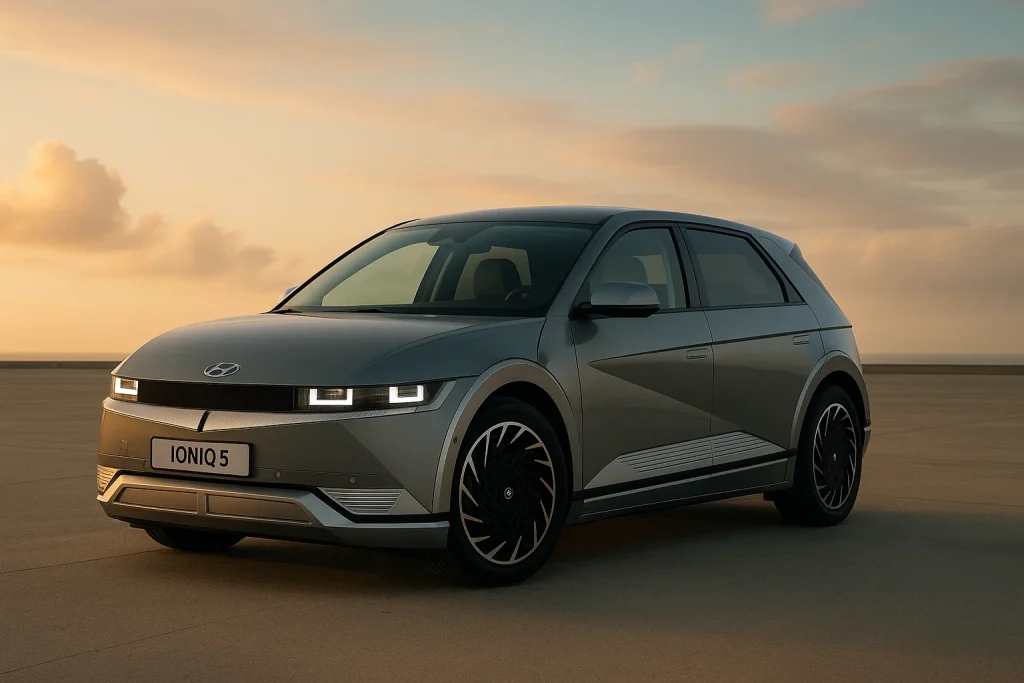
The Hyundai Ioniq 5 stands out with its retro-futuristic design, fast charging, and spacious interior—all in an eye-catching electric package.
The Hyundai Ioniq 5 stands out with its bold design and advanced technology. It is one of the best round EVs, which offers fast charging and a comfortable cabin. These electric vehicles are gaining attention for their innovative features and luxury appeal.
Important features:
- Range: Up to 303 miles
- 800V ultra-fast charging
- Sleek interior with flat floor
- Augmented reality HUD
Advantages:
- Charges from 10% to 80% in under 20 minutes
- Spacious and futuristic cabin
- Affordable trims available
Disadvantages:
- Rear visibility isn’t the best
- Not as sporty as rivals
Chevrolet Bolt EUV budget EV
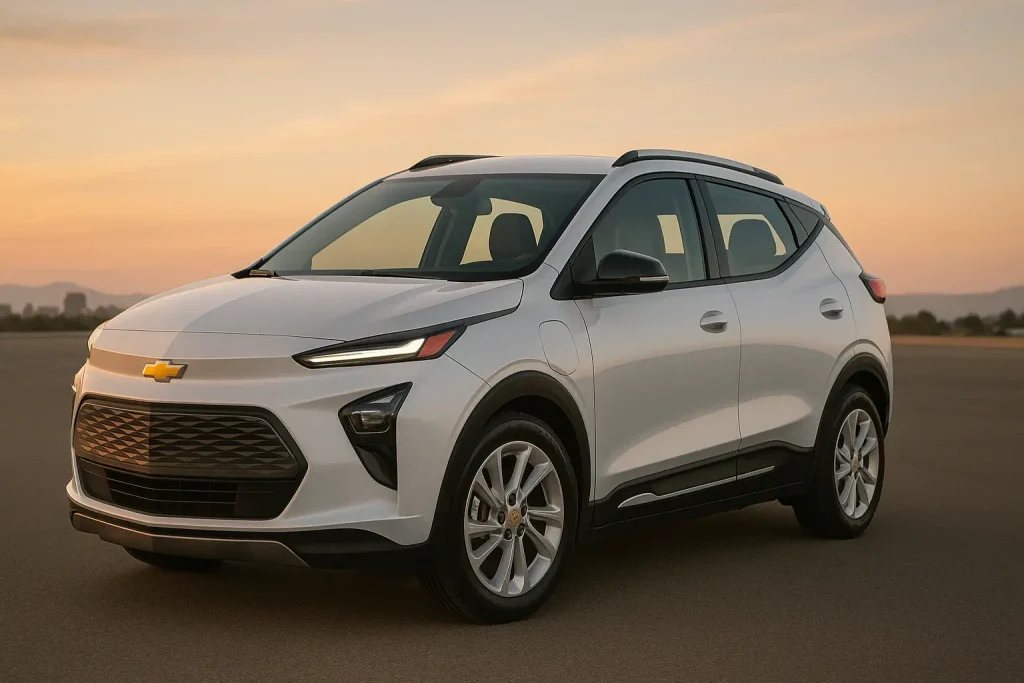
The Chevy Bolt EUV combines budget-friendly electric driving with roomy comfort and advanced driver assistance features.
If you are looking for a reasonable way to switch to electric, the Chevy Bolt EUV is a solid alternative. It provides decent boundaries and is practically at a low price point.
Important features:
- Range: Up to 247 miles
- Super Cruise hands-free tech
- Compact SUV styling
- Affordable starting price
Advantages:
- Very budget-friendly
- Great for city drivers
- Comes with advanced driving aids
Disadvantages:
- Slower charging speeds
- Less cargo space
While the cars above are industry leaders, other impressive EVs are making waves too. Lucid Air is a luxurious electric sedan that rivals Tesla at speed and design. Kia EV6 provides a price and modern style wide range and features. BMW’s i4 mixes electrical performance with classic German engineering. These alternatives are worth considering if you’re exploring all your options. Especially for those wanting more luxury or variety.
Rivian R1T – Electric Pickup Power
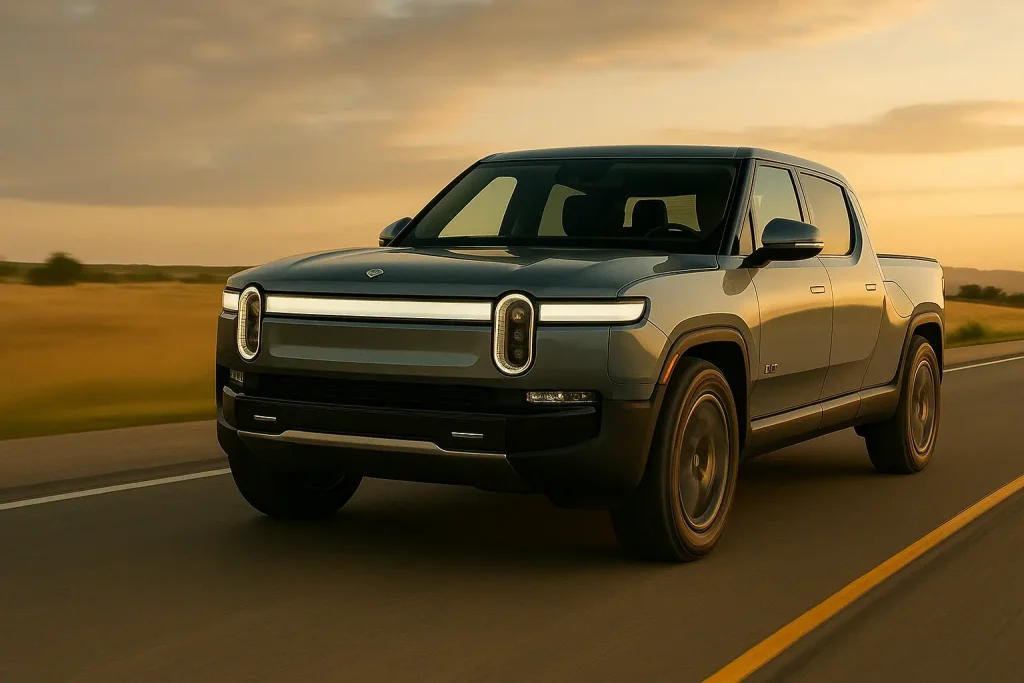
The Rivian R1T blends rugged utility and luxury with electric power, perfect for outdoor enthusiasts and tech lovers.
Rivian R1t is designed for adventure. It is a sturdy electric pickup with high performance and real terrain capacity.
Important features:
- Range: Up to 400 miles (with extended battery)
- 0–60 mph in 3.0 seconds
- Off-road drive modes
- Gear tunnel storage
Advantages:
- Best-in-class utility and performance
- Unique storage solutions
- Ideal for outdoor enthusiasts
Disadvantages:
- High price point
- Charging stations are limited in remote areas
Benefits and resistance to driving electric vehicles
The benefits of electric vehicles:
- Lower Fuel Costs: Electricity is cheaper than gas, especially when charging at home.
- Zero Emissions: Better for your environment and health.
- Smooth Driving: Instant torque and silent engines.
- Government Incentives: Federal and state tax credits are available.
- Additional Rebate: Some states offer additional rebates or free charging incentives
- Cheap Maintenance: Home charging setups are now easier and cheaper to install
Disadvantages of Electric Vehicles:
- Charging Time: Still slower than filling a gas station.
- Range Anxiety: Long trips may require a plan around charging stations.
- Higher Initial Cost: Though falling, EVs can be more expensive upfront.
- Charging Infrastructure: Not all areas have enough public chargers yet.
- Lack of charging hub: Some rural or remote areas still lack enough charging stations
- Repair Issue: Not all mechanics are trained to repair electric drivetrains
Most Common FAQs About Electric Vehicles
1. Are electric-powered cars genuinely higher for the environment?
Yes. EVs produce no tailpipe emissions. When charged with renewable energy, they’re a lot cleaner than gasoline-powered motors.
2. How long does it take to price an electric-powered vehicle?
It depends. Fast chargers can charge a vehicle to 80% in less than half an hour. Home chargers take several hours (overnight).
3. Do EVs cost extra to hold?
No. EVs have fewer moving parts and don’t need oil modifications. Over time, preservation prices are usually lower.
4. How a long way can electric-powered vehicles travel on a single charge?
Most cutting-edge EVs can travel between 200 four hundred miles. On a full charge, depending on the version.
5. What occurs if the battery dies?
EVs show warnings well in advance. If the battery dies, it’s like walking out of fuel — the automobile stops, and you’ll need a tow or a cell charger.
Future of EVs: What to Expect
EV generation is improving rapidly. Battery tiers are increasing, prices are falling. And more companies are getting into the market. Even brands like Toyota, BMW, and Honda are launching electric-handiest lineups.
Beyond new models and batteries, the EV future is about integration. Self-driving features are advancing fast, with EVs leading the charge in autonomous navigation. Subscription-based EV ownership (like monthly car plans) is gaining popularity. Plus, smart homes and energy-efficient grids are being designed. To work hand-in-hand with your electric car. The next generation of EVs won’t just drive — they’ll think, update, and connect with your home and city.
In the next few years, we can expect:
- Wireless EV charging
- Cheaper solid-state batteries
- More electric SUVs and trucks
- More public charging stations
Making the Move to Electric: Are You Ready?
Switching to an electric car is more than just a trend — it’s a clever choice for your pockets and the planet. Whether you want a graceful sedan, a rugged pickup, or a family SUV, there’s an EV to suit your lifestyle.
Still uncertain? Consider your everyday driving habits. Get right of entry to charging, and long-term prices. Once you test force an EV, it’s hard to head back.