The Black Friday Discount Trap: Why You End Up Spending More, Not Saving
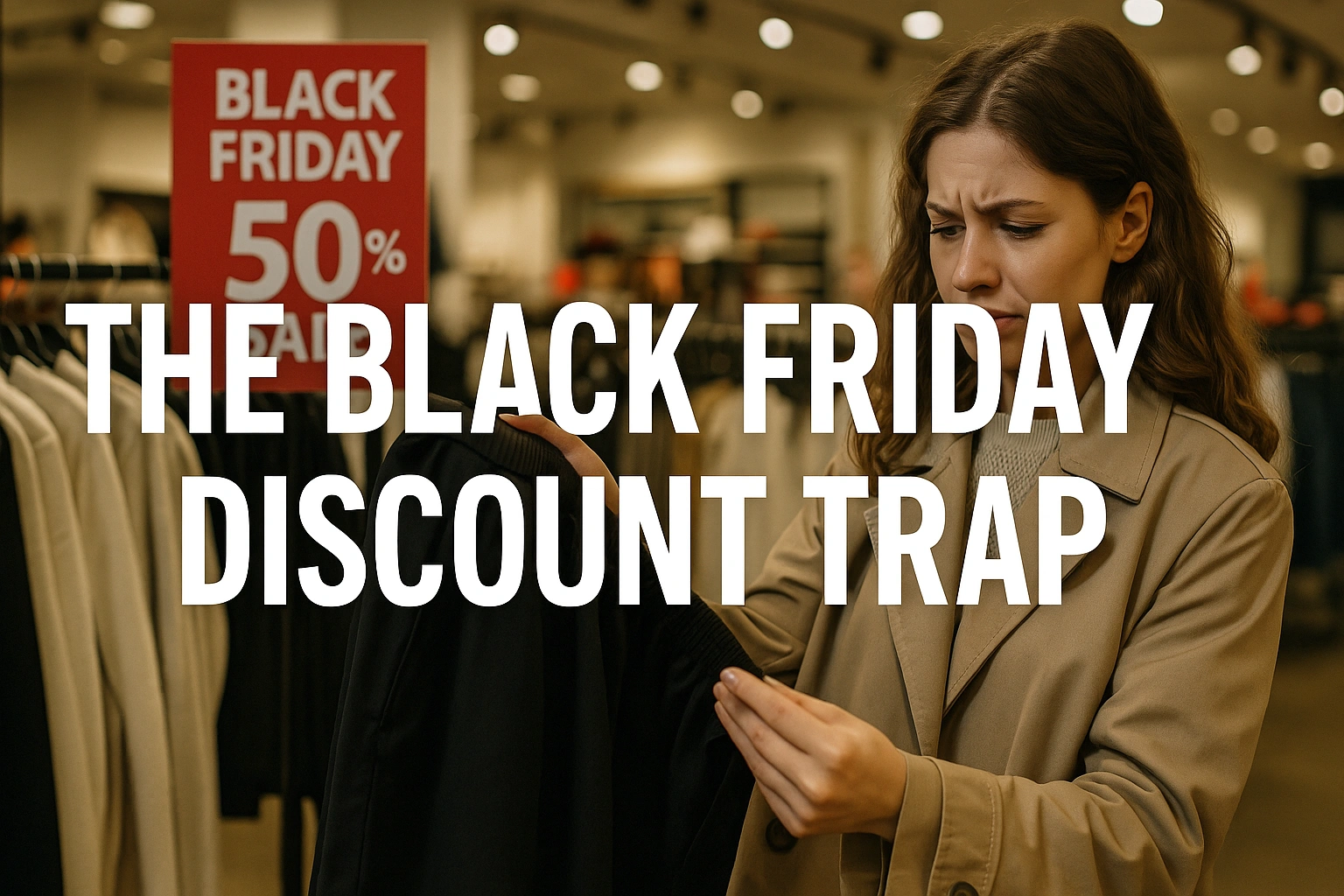
The Black Friday Discount Trap: Why You Spend More
The Black Friday discount trap catches millions of shoppers every year. It feels like you’re saving, but most so-called deals are carefully designed to make you spend more. From fake price drops to limited-time offers, retailers use smart marketing tactics to boost sales while shoppers believe they’re getting unbeatable bargains.
Every November, stores flood your inbox and social feeds with “once-a-year” discounts. But behind the flashy banners and countdown bells, a strategy has been hatched to force you to spend wildly. Prices rise and fall in carefully determined cycles, and sales deadlines tempt you to buy before you think. It’s not always about helping you save but rather keeping you shopping. This guide breaks down the most common Black Friday shopping tips and explains how to identify and avoid them before they empty your wallet.
1. The “Price Inflation” Trick
One of the most common Black Friday discount traps is price inflation, a sneaky strategy where retailers raise prices a few weeks before a sale, only to lower them later. outcome? You see a big discount tag that looks like a steal, but it’s often just the normal price dressed up as a limited-time offer.
How this trap works:
- Artificial Markups: Prices are quietly increased before Black Friday so that later discounts look bigger than they really are.
- False Discounts: “50% off” might simply bring the price back to where it was a month ago.
- Psychological Impact: Large percentage signs and red price tags create an illusion of urgency and value.
- Comparison Games: Stores show a “was” price that’s inflated or outdated, making the current price seem like a bargain.
- Limited-Time Pressure: By labeling it as a one-day sale, they push you to buy fast before realizing it’s not a true deal.
Next time you see a huge price drop, don’t rush to checkout. Use price-tracking tools or check product history across multiple sites. Real discounts last longer and come from actual markdowns, not inflated numbers designed to motivate you to spend more.
2. The 24-Hour Urgency Trap
Another classic Black Friday discount trap is the 24-hour instant strategy. Retailers know that time pressure drives people to act on impulse, not logic. They use countdown timers, “only a few left” banners, and pop-ups to create panic. This sense of urgency leads buyers to believe they will miss out on a rare deal – when in reality, the same offer often comes back a few days later.
How this trap pulls you in:
- Countdown Pressure: Flashing clocks or phrases like “Sale ends in 02:59:00” make you buy before thinking.
- Scarcity Illusion: Messages such as “Only 2 left” or “5 others viewing this item” create false competition.
- Fear of Missing Out (FOMO): Shoppers rush to buy so they don’t regret missing the “big sale.”
- Recycled Deals: The same “exclusive” discount reappears under a different name, like a “Weekend Extension” or “Cyber Monday Sale.”
- Impulse Over Research: The fake rush prevents you from comparing prices or checking if it’s truly a bargain.
Don’t let the ticking clock dictate how you spend. There is no need to panic about selling real deals. Take some time to verify prices, compare with other retailers, and see if the same discount appears again; it usually does. Patience often saves you more than any “limited time” offer.
3. The Expiring Product Clearance
One of the most overlooked Black Friday shopping tips is missing out on product clearance. Retailers often use deep discounts to move items that are about to expire, have become obsolete, or are soon to be replaced by newer models. On the surface, these deals seem like smart savings, but they’re often just a way to clear out old inventory before it loses its full value.
How this trap works:
- Near-Expiry Items: Food, supplements, and beauty products close to their expiration date are sold at heavy markdowns.
- Outdated Models: Electronics with older software or discontinued features are rebranded as “special edition” deals.
- Seasonal Leftovers: Unsold products from past seasons are promoted as limited-time Black Friday offers.
- Limited Warranties: Older items may come with shortened or voided warranties, especially refurbished electronics.
- Disguised Packaging: Retailers may refresh the packaging or product images to make clearance stock look new.
Before purchasing any “too good” deal, check the product’s manufacturing or expiration date and read the fine print on the warranty. The real savings come from value and longevity, not from discounts on items that will expire, break, or become useless within months.
4. The Bundle Illusion Discount Trap
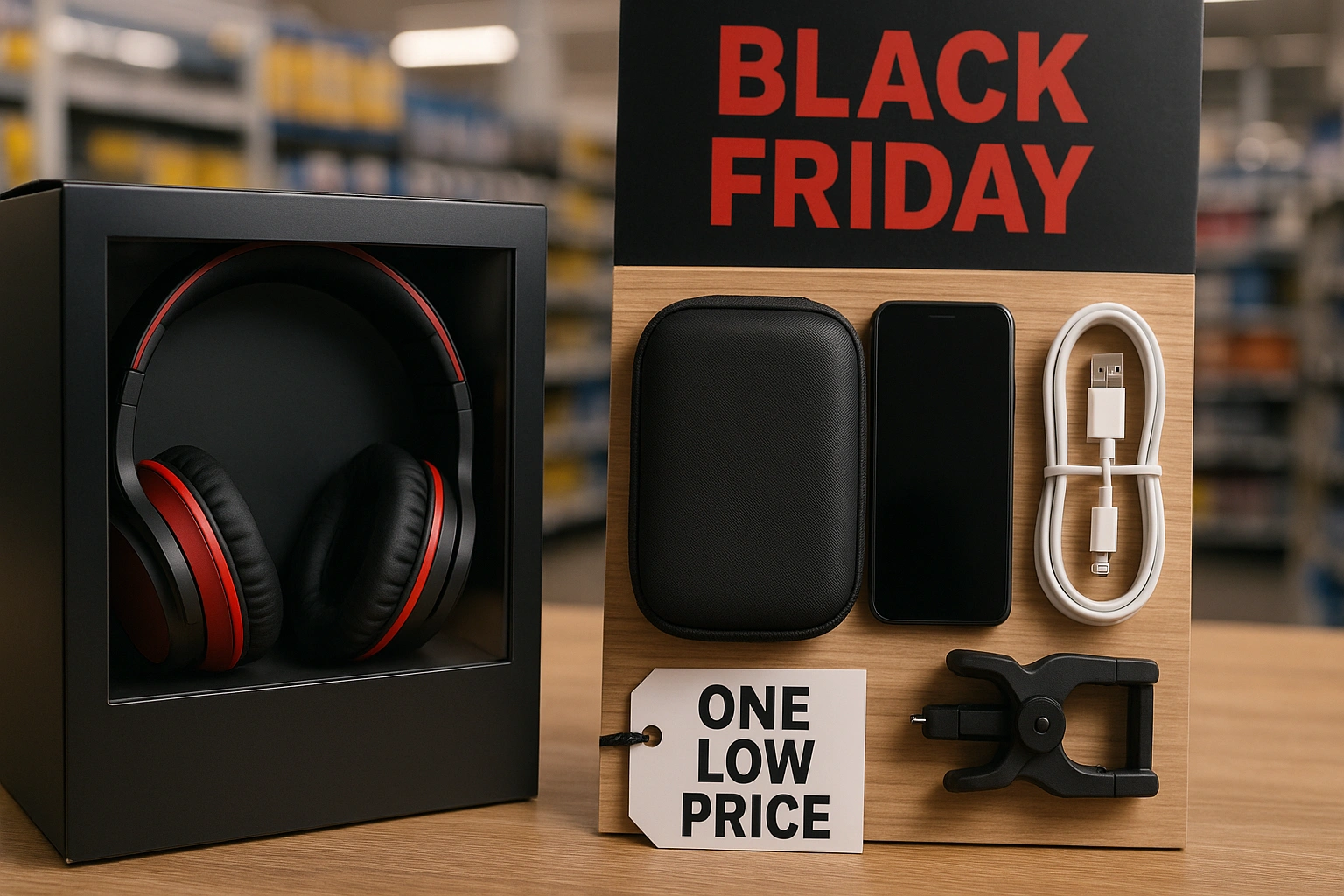
Black Friday discount traps are often hidden inside bundled deals. Retailers package several items together to make the offer irresistible – “buy two, get one free” or “the entire kit at one low price.” But many of these bundles include accessories or extra things you don’t really need, quietly increasing the total cost while giving the illusion of savings.
How this trap convinces you:
- Added Low-Value Items: Bundles often include cheap or unnecessary add-ons that inflate the perceived value.
- Outdated Accessories: You may receive older versions of cables, cases, or tools that no longer fit current models.
- Hidden Price Anchoring: The “original” combined price is exaggerated to make the discount look huge.
- Psychological Framing: Seeing a single, all-inclusive price makes you feel you’re saving, even when you’re not.
- Reduced Flexibility: You can’t choose what’s included, so you end up paying for items you’ll never use.
Before purchasing a bundle, list down exactly what you need and compare individual prices. If the total cost of utilities is lower than purchasing them separately, skip the bundle. A real deal gives you more value for your money, no more clutter for your shelf.
5. Hidden Fees and Add-Ons
Another sneaky trap of Black Friday discounts comes in the form of hidden costs. That “incredible deal” often looks cheap at first, but becomes more expensive when you add shipping charges, handling fees, or necessary accessories. Retailers use this tactic to entice shoppers with low sticker prices, while quietly increasing the total amount at checkout.
How this trap increases your spending:
- Shipping and Handling Costs: Free delivery might apply only to orders over a certain amount, pushing you to buy more.
- Mandatory Accessories: Big-ticket items like TVs or cameras often require extra cables, stands, or mounts sold separately.
- Extended Warranties: You’re encouraged to “protect your purchase” with add-on coverage that rarely offers real value.
- Service or Setup Fees: Some electronics or furniture purchases include hidden installation or activation charges.
- Misleading Price Displays: The listed “starting price” doesn’t include the true cost once all extras are added.
Always look beyond the sticker price. Before checking out, calculate the total cost – including shipping, accessories, and any optional add-ons. Real savings come from transparency, not from hidden costs such as upgrades or security plans.
6. Emotional Spending During the Rush
One of the most powerful Black Friday discount traps is emotional spending. Retailers know that excitement and urgency drive people to buy faster and think less. Bright colors, flashing countdowns, and bold “limited time” labels are all designed to create pressure and trigger impulse purchases. When emotions take over, logic fades away, and so does your budget.
How this trap works on your mind:
- Adrenaline Rush: The thrill of grabbing a “hot deal” gives a temporary sense of victory, making you want to buy more.
- Fear of Missing Out (FOMO): You purchase things just to avoid the regret of missing a supposed bargain.
- Social Influence: Seeing friends or influencers post their hauls online encourages you to join in, even if you don’t need the items.
- Instant Gratification: Adding to your cart feels rewarding, giving a quick dopamine hit that overrides rational spending.
- Loss Aversion: You focus more on what you might lose by skipping the deal rather than what you’ll gain by saving money.
Black Friday marketing thrives on emotion, not logic. Before checking out, take a step back and ask yourself: “Would I buy this at full price?” If the answer is no, you are reacting to emotions, not value. Staying calm and thinking twice is the easiest way to protect your wallet.
7. “Free Shipping Over $50” Holiday Sale Traps

The “free shipping” offer is one of the most subtle Black Friday discount traps. It may feel like you’re getting extra value, but in many cases, it ends up leaving you spending more than you planned. Retailers know most people hate paying delivery fees, so they set the free-shipping threshold slightly above the average order value, encouraging you to add more items you don’t need.
How this trap quietly boosts your cart total:
- Psychological Nudge: “Spend $50 for free shipping” tricks you into thinking you’re saving when you’re actually spending extra.
- Upselling Opportunity: Retailers place small add-on items near checkout to help you “qualify” for free delivery.
- False Savings: The cost of extra items often exceeds what you would’ve paid for shipping.
- Price Anchoring: The $50 threshold is carefully chosen based on average spending data to increase total sales.
- Impulse Additions: You add low-value products just to meet the limit, turning a small purchase into a larger bill.
Free shipping isn’t always free; it’s a marketing tool. Before adding that “extra” item, do the math. If the shipping cost is less than the price of what you’re adding, skip it. True savings come from buying what you really need, not what helps you meet a target set by the retailer.
Smart Shopping Starts with Awareness
Avoiding the Black Friday discount trap isn’t about skipping the sales—it’s about recognizing how those sales are structured. When you shop with awareness, you’ll see through inflated prices, limited-time offers, and fake discounts. Real savings come from preparation and patience, not panic buying.
Before you click “add to cart,” take a moment to think about why the deal looks appealing. Is it something you genuinely need, or just something that feels urgent because of the timer or the banner? Most retailers rely on emotion and timing, not true price cuts.
Shopping smart means doing your research, setting a budget, and resisting the pressure to buy for the sake of buying. If you plan, track prices, and stay focused on what matters, you’ll find that the best way to save during Black Friday is to spend intentionally.
Want to shop smarter this season? Learn how to compare deals, spot fake discounts, and save more online. Read our complete guide on Online Shopping Tips.
.
FAQs About the Black Friday Discount Trap
1. Are Black Friday deals really worth it?
Some are, but many aren’t. Always check price history before buying—many “discounts” are just inflated prices reduced to normal levels.
2. How do retailers trick shoppers on Black Friday?
They use tactics like fake discounts, countdown timers, limited stock alerts, and bundle offers to create a false sense of urgency.
3. How can I avoid falling for the Black Friday discount trap?
Make a list, compare prices early, and ignore “only today” deals. Real discounts hold value beyond a single day.
4. Why do I end up spending more on Black Friday?
Impulse buying, emotional marketing, and “free shipping thresholds” often push shoppers to overspend without realizing it.
5. What’s the best way to find genuine Black Friday savings?
Use trusted price-tracking tools, research ahead of time, and focus on long-term value—not short-term excitement.