
Carry-On Packing Essentials: Choosing Luggage and Packing Cubes for Short Trips
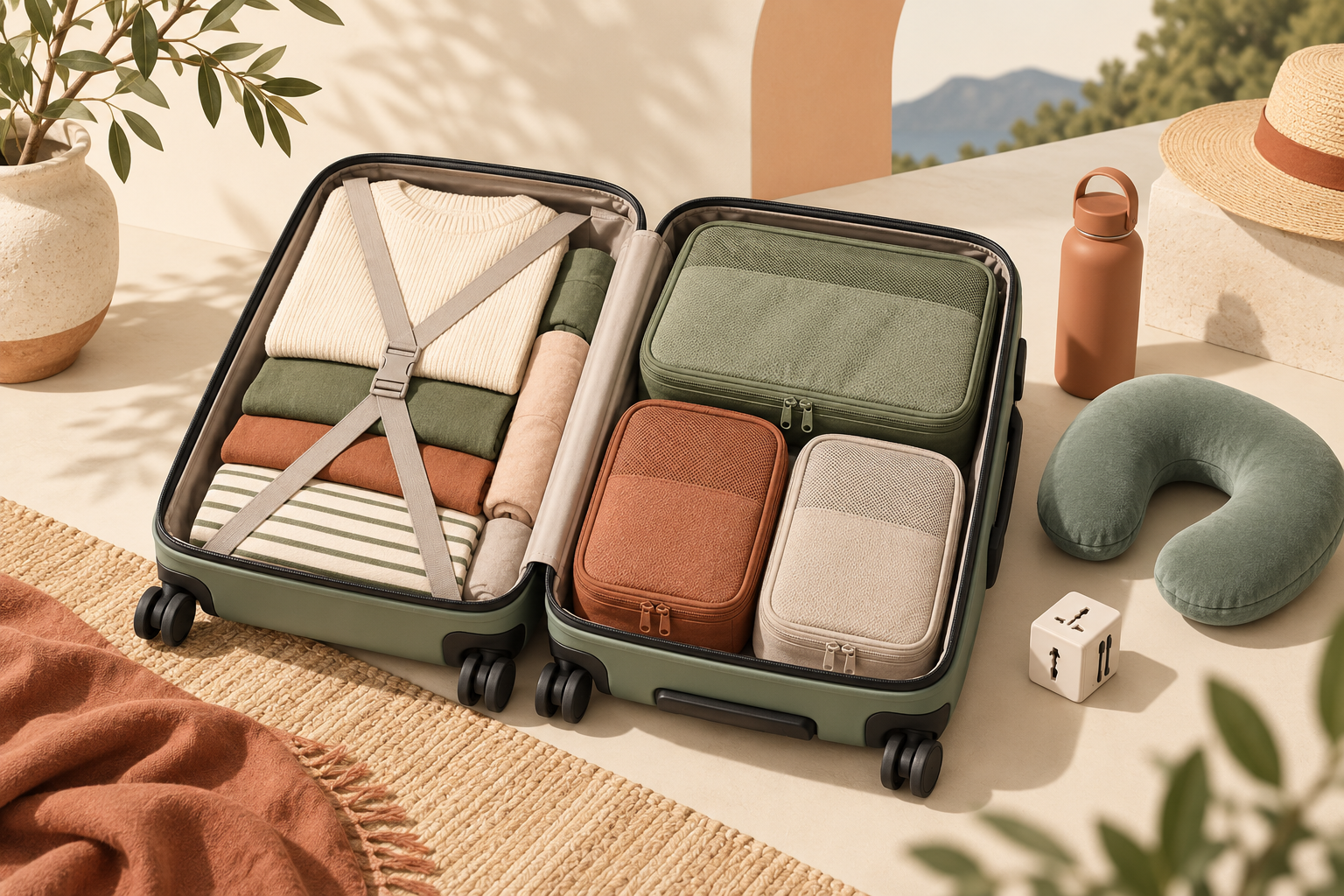
A short trip should not require a suitcase full of accessories. Begin with a bag that fits your airline’s rules, a simple way to organize clothing, and a packing list based on what you will actually do. Those choices are more useful than buying a large travel bundle before you know which pieces you need.
This guide focuses on two purchases that work together: carry-on luggage and packing cubes. The aim is to compare fit, access, organization, and total cost—not to declare an untested suitcase the best product on Amazon.
Affiliate disclosure: As an Amazon Associate, SupplyUSA earns from qualifying purchases. We may earn a commission if you buy through the links below, at no extra cost to you.
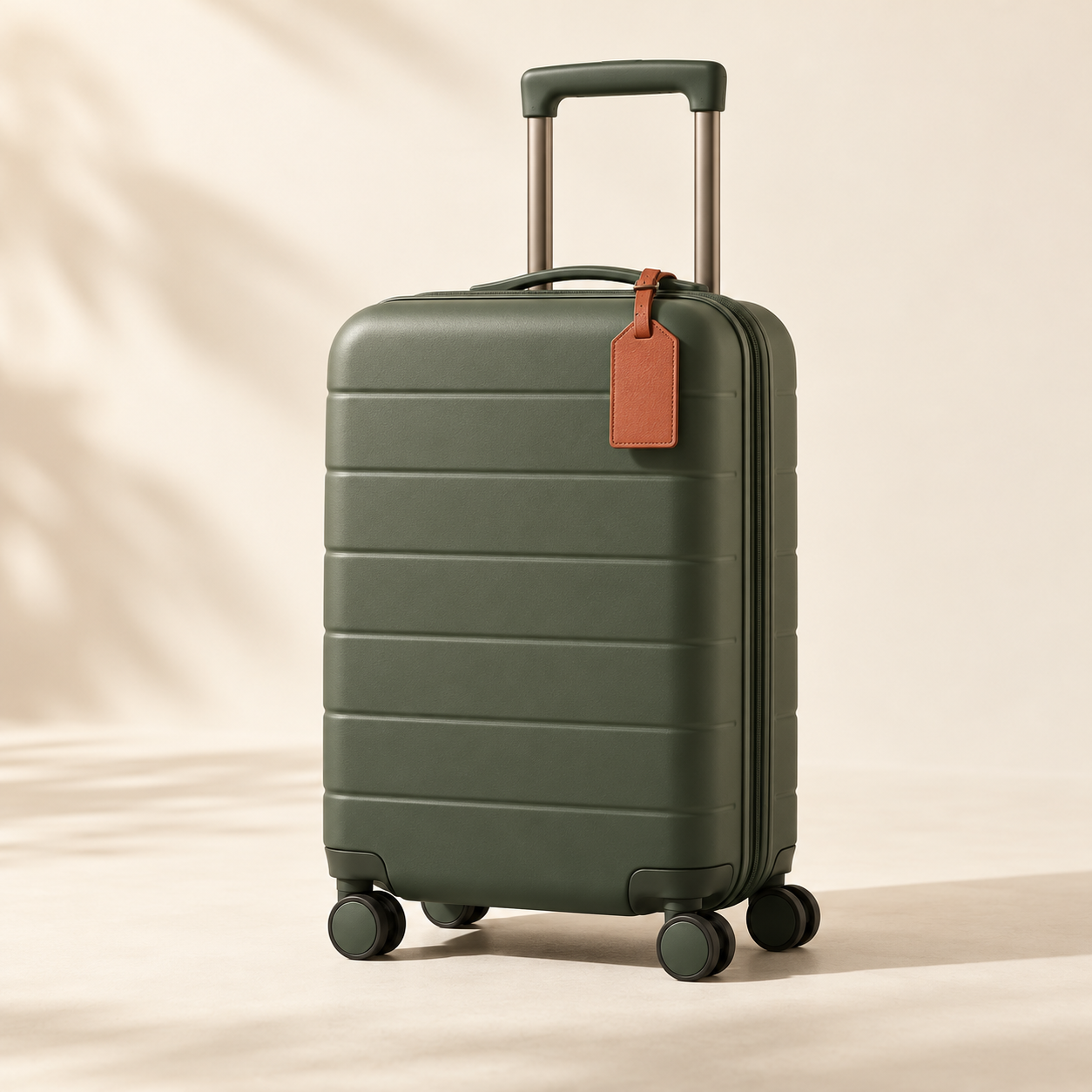
How this guide was prepared: this is an editorial buying checklist, with no hands-on testing, verified live prices, or stock and delivery claims. Shopping cards open Amazon category searches. Images are AI-generated category illustrations, not photographs of specific Amazon listings.
Shop the two essentials
Choose the suitcase around your trip, then choose organizers that fit its interior. You can click anywhere on either card to compare current Amazon listings.
Carry-on luggage
Compare dimensions, empty weight, handles, and usable packing space.
Compare on Amazon ↗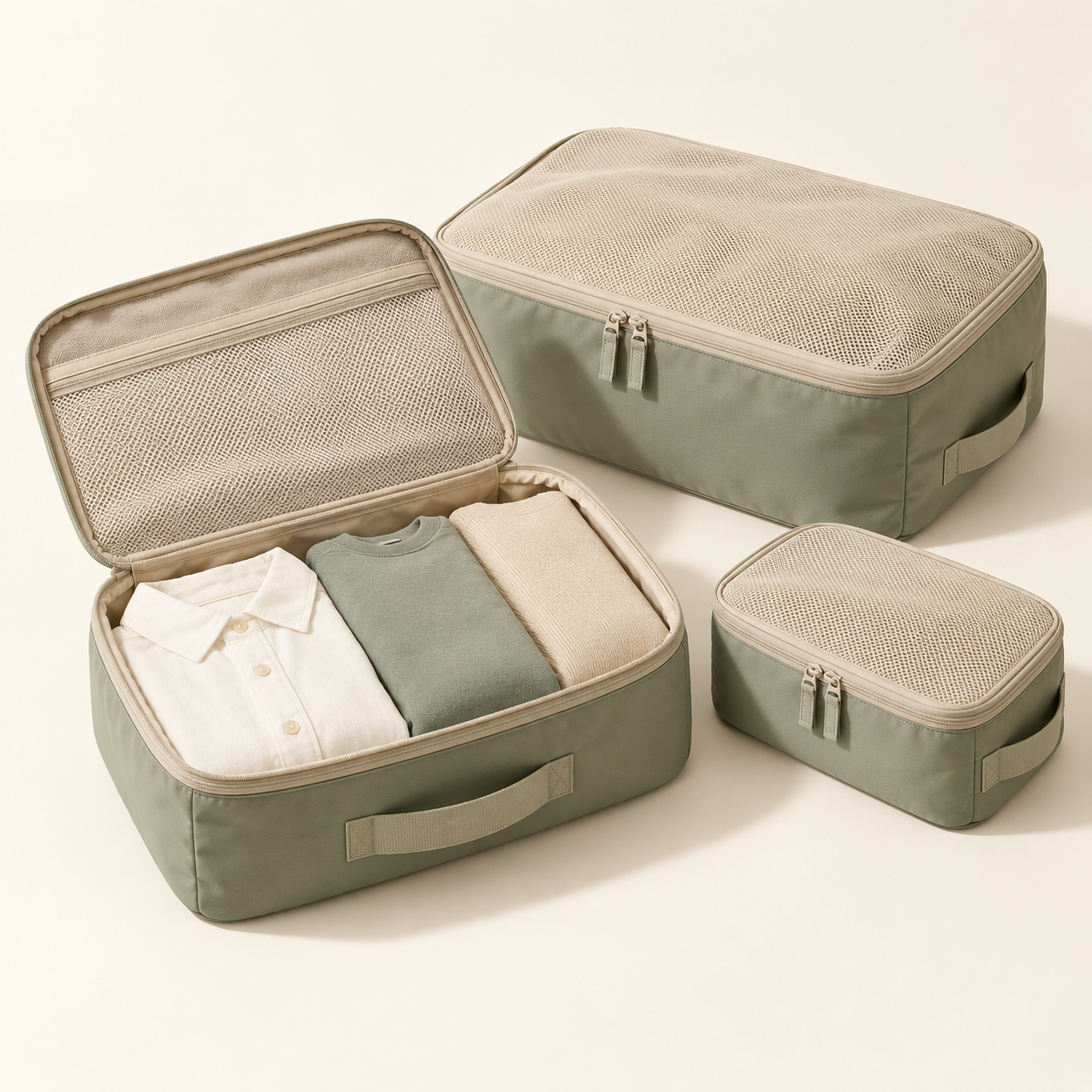
Packing cubes
Compare cube sizes, zipper access, and fit inside your existing bag.
Compare on Amazon ↗Choose a carry-on for the journey you booked
Check the baggage allowance for your airline, route, and fare before shopping. A product described as a carry-on is not automatically accepted on every flight. Look at the full outside dimensions, including wheels and handles, and distinguish a cabin suitcase allowance from a personal-item allowance. Expanding a bag can change whether it meets a limit.
Consider the journey between the airport and your accommodation, too. A rolling case may be convenient on smooth surfaces, but stairs, uneven paths, and crowded public transport change the trade-off. Think about what you can comfortably lift and carry once the bag contains your belongings.
- Empty weight: include the bag itself when planning around a baggage weight allowance.
- Handle and wheels: check handling, clearances, repair options, and the seller’s return terms.
- Opening style: a divided case and a deep main compartment organize belongings differently. Choose around how you pack and where you will open the case.
- Access: decide whether you need documents or a device without opening the whole bag. Check the actual pocket dimensions rather than assuming your laptop fits.
A matching luggage set is not essential for a first short trip. Buying one suitable bag lets you learn what you need before adding a larger checked case.
Pick packing cubes after measuring the suitcase
Packing cubes are organizers, not a way to remove weight from clothing. Measure the bag’s interior and account for wheel housings, handles, and any fixed dividers before comparing cube dimensions. A set with many pieces can waste space if the shapes do not suit your case.
Start with a small number of useful sizes. For example, separate everyday clothing from sleepwear and keep items you need on arrival easy to reach. If you prefer to unpack into a drawer, compare handles and how widely each cube opens. If you keep everything in the case, visibility and access may matter more.
Compression cubes add a second closure that contains clothing more tightly. Compare the extra material, zipper operation, and resulting shape against ordinary cubes. Compressing a bulky item into a hard lump is not always the most efficient way to use a shallow case. Try packing your actual clothing rather than judging only a product photograph.
A practical packing routine for a short trip
- Plan the activities. List the days, dress requirements, weather possibilities, and any laundry access. Choose clothing that works across more than one outfit.
- Lay out the essentials. Include medication, documents, charging equipment, and items you need for your booked activities before adding optional accessories.
- Pack by access. Put arrival-day items where you can reach them, and organize the remaining clothing into the cubes that fit your bag.
- Check the closed bag. Measure and weigh it in its packed state. Do not assume an empty-bag measurement or a compression zipper settles the airline requirements.
- Do a carrying check. Lift and move the bag in the way your trip requires. Remove unnecessary items if it is awkward before you get to the station or airport.
Check accessories before adding them
A power bank can be useful, but check the current airline and relevant authority rules for your exact battery and how it must be carried. A travel plug adapter changes the plug connection; it does not necessarily convert voltage. Read the electrical input information on each device and the adapter’s instructions before deciding what to bring.
Likewise, a travel pillow, neck wallet, or extra bag should solve a problem you expect to encounter. If you have never used one, think through where it will fit and when you will reach for it. The most useful travel setup is often the one with fewer loose pieces to keep track of.
Before you buy on Amazon
The cards above open category searches, so compare the selected listing rather than assuming the illustration shows what you will receive. Check the exact size or set, seller, included pieces, total delivered cost, and return policy. Confirm delivery estimates for your address at checkout; this guide does not promise a price, discount, or arrival date.
Frequently asked questions
Do I need compression packing cubes?
No. Ordinary cubes may be enough if your main goal is organization. Compare both styles using your bag’s dimensions and the clothing you normally pack.
Does a carry-on label guarantee airline acceptance?
No. Check your airline’s current rules for your booking and measure the packed bag, including the external parts. Allowances can vary between fares and journeys.
Are these images actual products for sale?
No. They are AI-generated illustrations of the shopping categories. Use the linked Amazon listings to inspect the actual product images, specifications, seller information, and current terms.
Explore more Travel & Luggage guides or browse luggage and packing topics.