Ultimate Shopping Guide: 10 Steps for Buying Used Products
Buying secondhand saves money. It reduces waste. It gives access to items you may not find new. But used shopping has risks. Scams are common. Some items are unsafe. Others are not worth the price. This Ultimate Shopping Guide will take you step by step through the process. Each stage matters. From the moment you decide what to buy until you bring it home, you need a plan. Follow this Secondhand Shopping Guide to shop with confidence and avoid mistakes.
Shopping for used products can be an exciting experience. Every item has a story. Some are gently used, others are nearly new. Many still have years of value left. You can upgrade your lifestyle without paying full retail. You can decorate your home, refresh your wardrobe, or replace gadgets at a fraction of the cost. But the secret is not just buying cheap’s buying smart. With the right approach, secondhand shopping becomes a way to stretch your money further while staying safe. That’s exactly what this guide will show you.
1: Decide what you need and set a budget
Shopping for used items should always begin with a clear plan. Too often, buyers start browsing aimlessly and end up wasting money. You need to know exactly what you are looking for. Is it furniture to complete a room, clothing for a season, or electronics for work? Write it down and make the search easier. Focus is the foundation of smart secondhand shopping. When you know your goal, you will not be distracted by unnecessary deals. Clarity saves both time and money. That is why this Ultimate Shopping Guide begins with discipline, not shopping.
- Write a list: Put down the items you need before searching.
- Be specific: Decide on type, brand, or model when possible.
- Set a budget: Choose the maximum amount you are willing to spend.
- Think long-term: Buy items that will serve you for years, not just weeks.
- Avoid temptation: Don’t let low prices lead you to unplanned buys.
Setting a budget protects you from common mistakes. Without limits, even cheap deals add up and drain your money. With limits, you shop smarter and choose only what matters. A budget makes comparing offers easier and keeps your decisions realistic. It also helps you walk away from items that do not fit your plan. Smart shopping is about more than low prices is about control. By starting with clear needs and a firm budget, you create the base for every other step in this guide. This Ultimate Shopping Guide proves that saving money begins long before you pay.
2: Check retail prices and compare resale values
Every secondhand purchase begins with knowledge. Without knowing prices, you are taking risks. Many deals that look great are not really bargains. Some sellers raise prices, hoping buyers won’t notice. Others post low prices that look tempting but hide problems. That’s why research is your first line of defense. Always start by checking what the item costs new. The retail price tells you the highest point of value. Then move on to resale platforms. Look at what similar items actually sold for. This shows you the real market range. When you know both numbers, you know the truth. You can see if the offer is fair, too high, or suspiciously low. This step only takes minutes, but it saves you money every time.
- Search retail sites: Check the brand’s website or major stores for the new price.
- Check resale platforms: Look at completed or sold listings, not just what sellers ask.
- Note the average price: Record the most common selling range.
- Compare condition: Factor in wear, missing parts, or accessories.
- Keep your notes: Use your research to back up negotiations.
Price research turns you into a smart shopper. It keeps you from buying on impulse. It also gives you confidence when talking with sellers. If you know the numbers, you can push back against inflated prices. If you see a bargain, you know it’s real. Many people regret secondhand purchases because they skipped this step. They guessed instead of checking. Don’t repeat their mistake. Knowledge takes only a few minutes but can save you hundreds. That’s why this Ultimate Shopping Guide always stresses research first. It is the key that opens the door to every other smart decision.
3: Focus on brands known for durability
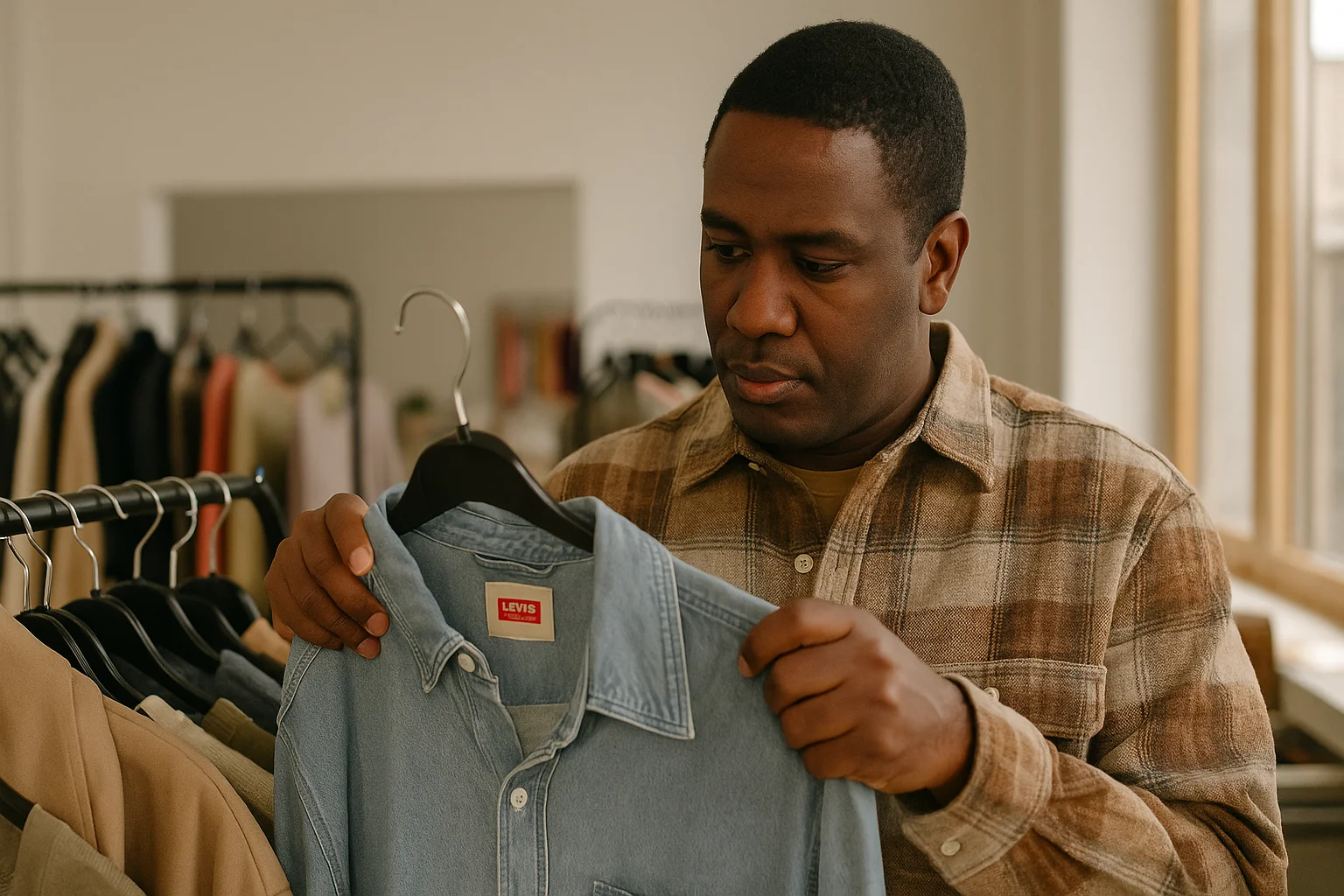
When buying secondhand, brand choice matters. Some products hold up year after year, while others fall apart quickly. That difference often comes down to brand reputation. Reliable brands use better materials, stronger designs, and careful construction. Even after years of use, their items still perform well. Weak brands, on the other hand, may look good at first but break too soon. Choosing the right brand increases your chances of finding value. This is true for clothes, electronics, furniture, and nearly everything else. The brand name tells you about history, quality, and durability. When you shop secondhand, durability is worth more than style. A trusted brand gives you confidence before you even inspect the product.
- Research brand reputation: Look up which names are known for lasting quality.
- Read long-term reviews: See how long owners typically keep these products.
- Check materials: Solid wood, natural fibers, and strong metals last longer.
- Look for resale demand: Popular brands resell easily when you no longer need them.
- Avoid disposable goods: Skip fast fashion and low-cost brands that wear out quickly.
Durable brands protect your money in two ways. First, they last longer, so you won’t need to replace them as soon. Second, they hold value, which means you can resell them later. Buyers trust strong names, so they are easier to move. Poor-quality items often end up in the trash before their time, wasting both money and effort. When you choose durability, you stretch your investment and reduce your risk. This habit makes secondhand shopping smarter and more rewarding. That is why every Secondhand Shopping Guide highlights brand choice. Durability is not just about quality, it’s about protecting your money and making sure your purchase pays off.
4: Search only trusted marketplaces and sellers
Where you shop is just as important as what you buy. The secondhand market is wide, but not all places are safe. Some platforms protect buyers, while others leave you exposed. Trusted marketplaces like eBay or Poshmark offer dispute resolution. Facebook Marketplace is popular, but you must check the seller’s history. For luxury goods, certified resellers confirm authenticity before selling. Local shops and consignment stores are another safe option, since they often inspect items themselves. Scams usually happen when buyers deal with unknown or unverified sellers. That’s why choosing the right place is critical. It protects both your money and your peace of mind. Smart shopping starts with safe shopping.
- Check reviews: Always read ratings and feedback about sellers.
- Use verified sites: Stick to platforms that offer buyer protection.
- Shop local stores: Consignment shops and thrift stores add extra security.
- Avoid new accounts: Be cautious with sellers who have no history.
- Review return rules: Learn the marketplace’s policies before paying.
Safe marketplaces reduce the risk of scams. Verified sellers care about reputation and provide honest details. Unsafe sellers rely on vague listings, quick deals, and unprotected payments. Many buyers lose money by trusting the wrong source. But this is easily avoided by sticking to trusted platforms. Every Ultimate Shopping Guide warns about this mistake. Where you buy sets the tone for the entire deal. Pick safe sources, and you’ll shop with confidence.
5: Read listings carefully and ask for details
Every purchase begins with the listing. A strong listing shows honesty and effort from the seller. Clear photos, full descriptions, and notes about condition are all good signs. Weak listings are risky. Blurry photos, missing details, or generic descriptions often hide problems. This is where careful reading matters. Look closely at the photos. Study the text. See if anything important is missing. If you have doubts, ask questions. A trustworthy seller will respond clearly and quickly. The more details you collect, the fewer surprises you face later. Careful attention here saves you stress later.
- Study the photos: Check angles, lighting, and item condition.
- Check the description: Look for brand, model, size, and condition notes.
- Ask for receipts: Proof of purchase helps confirm authenticity.
- Request extras: Boxes, manuals, or accessories add real value.
- Look for honesty: Sellers who admit flaws are often the most reliable.
Strong listings and clear answers build trust. They also make comparisons easier when looking at multiple offers. Asking questions shows sellers you are serious, not casual. It also tests their honesty. If they avoid your questions, that’s a warning sign. Careless buyers often skip this step and end up with regrets. Careful buyers get what they expect. This Secondhand Shopping Guide proves that details matter. Reading closely and asking questions protects your money every time.
6: Meet in safe public places and test items
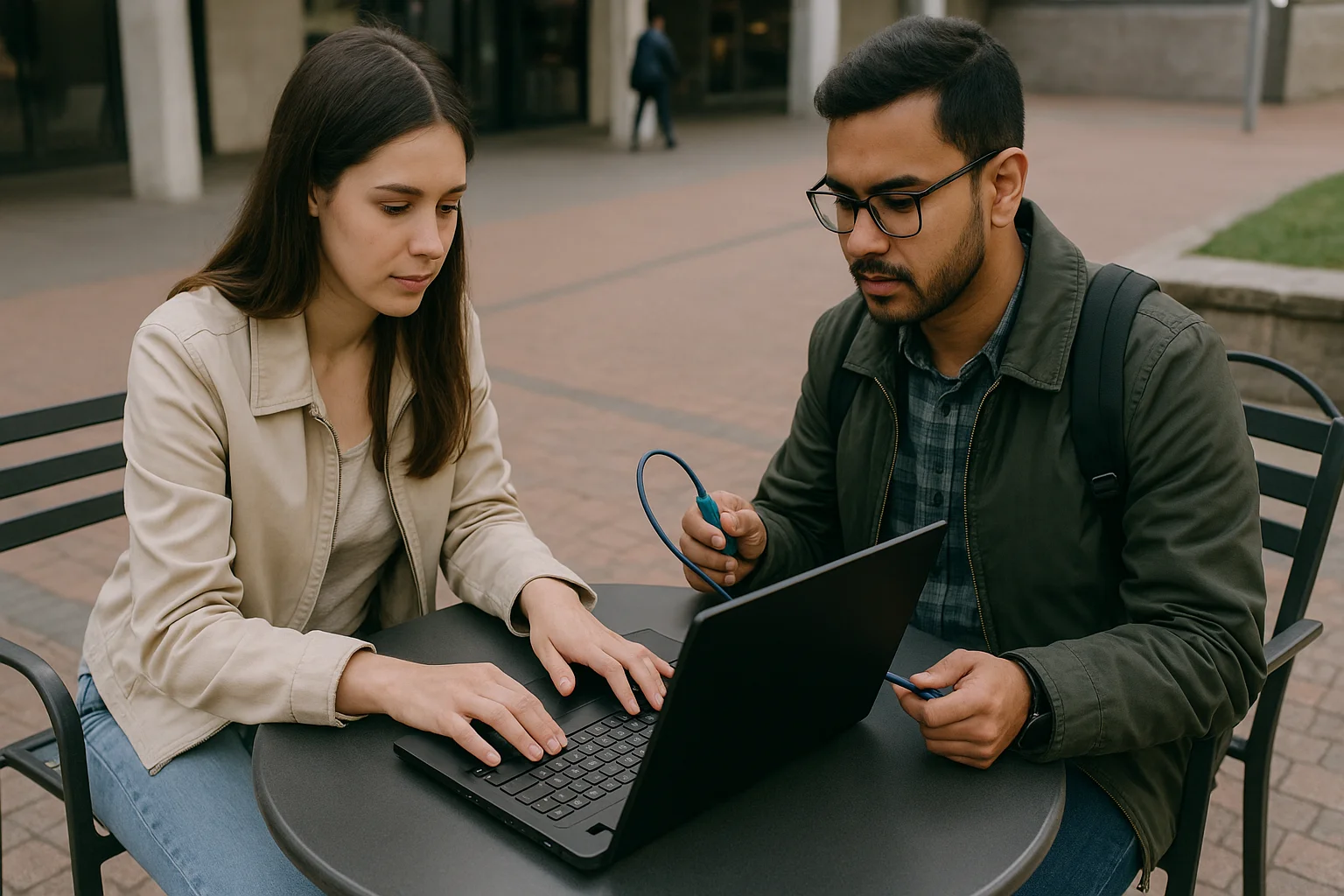
Meeting a seller in person requires preparation. Safety must always come first. Public locations protect both sides and discourage scams. Police stations, coffee shops, or shopping centers are good choices. Never agree to meet in a private or isolated location. Once you meet, testing is critical. Do not take the seller’s word that the item works. Bring what you need to check it yourself. A charger, a memory card, or simple tools can make all the difference. Testing proves the item’s real condition before money changes hands. Without this step, you risk disappointment.
- Pick safe spots: Meet where people are around and cameras may be present.
- Bring a friend: Extra company adds safety and confidence.
- Carry tools: Bring chargers, batteries, or cables to test.
- Test properly: Try all functions for a few minutes, not seconds.
- Avoid pressure: Leave if the seller won’t allow full testing.
Public meetups protect your safety. Testing protects your money. Both together make secondhand shopping reliable. Scams usually happen in private, rushed situations. Responsible sellers welcome safe locations and testing because they have nothing to hide. Buyers who skip these steps regret it later. This Ultimate Shopping Guide repeats one rule clearly: test before you pay.
7: Inspect closely for damage, wear, or missing parts
Inspection is the most important part of buying used. Every item has a history, and you need to see it. A shirt may hide stains. A phone may have a weak battery. A sofa may have cracks you don’t see in photos. That’s why close inspection is essential. Take your time. Look carefully at every detail. Don’t be embarrassed to test thoroughly. Honest sellers expect it. Rushed buyers are the ones who make mistakes. Careful inspection is your strongest defense.
- Check clothing: Look for loose seams, broken zippers, or fabric wear.
- Check furniture: Test joints, legs, and surfaces for strength.
- Check electronics: Inspect screens, batteries, and ports carefully.
- Check for odors: Smoke, mildew, or mold lower value.
- Check completeness: Missing parts should reduce the price.
Inspection reveals the truth. It shows if the price matches the condition. It also helps you avoid hidden costs later. Many buyers regret purchases because they trusted appearances. But a close look makes flaws impossible to hide. Smart buyers never skip this step. This Secondhand Shopping Guide reminds you: look closely, test fully, and trust your own eyes.
8: Walk away from unrealistic prices or pushy sellers
Not all deals are worth it. Some are traps. Unrealistic prices and pushy sellers are classic red flags. If something is far below market value, there’s usually a reason. If a seller pressures you to “act now,” that’s a warning. Real deals can wait for inspection. Fake ones rely on urgency. Walking away is a skill every buyer needs. It protects you from scams and regret. Secondhand shopping is full of opportunities. Missing one is better than losing money on a bad one.
- Spot red flags: Prices that look too good are often scams.
- Watch seller behavior: Pushy sellers usually hide problems.
- Trust instincts: If it feels wrong, step back.
- Avoid time pressure: Don’t let urgency control your choice.
- Stay patient: Good deals appear often, so don’t rush.
Walking away is not weakness. Its strength. It shows you know your worth. Scammers feed on fear of missing out. They want you to believe this is your only chance. But that is never true. Markets are full of options. Patience brings better results. Every Ultimate Shopping Guide teaches this: saying no is sometimes the smartest choice.
9: Use secure payments that protect buyers
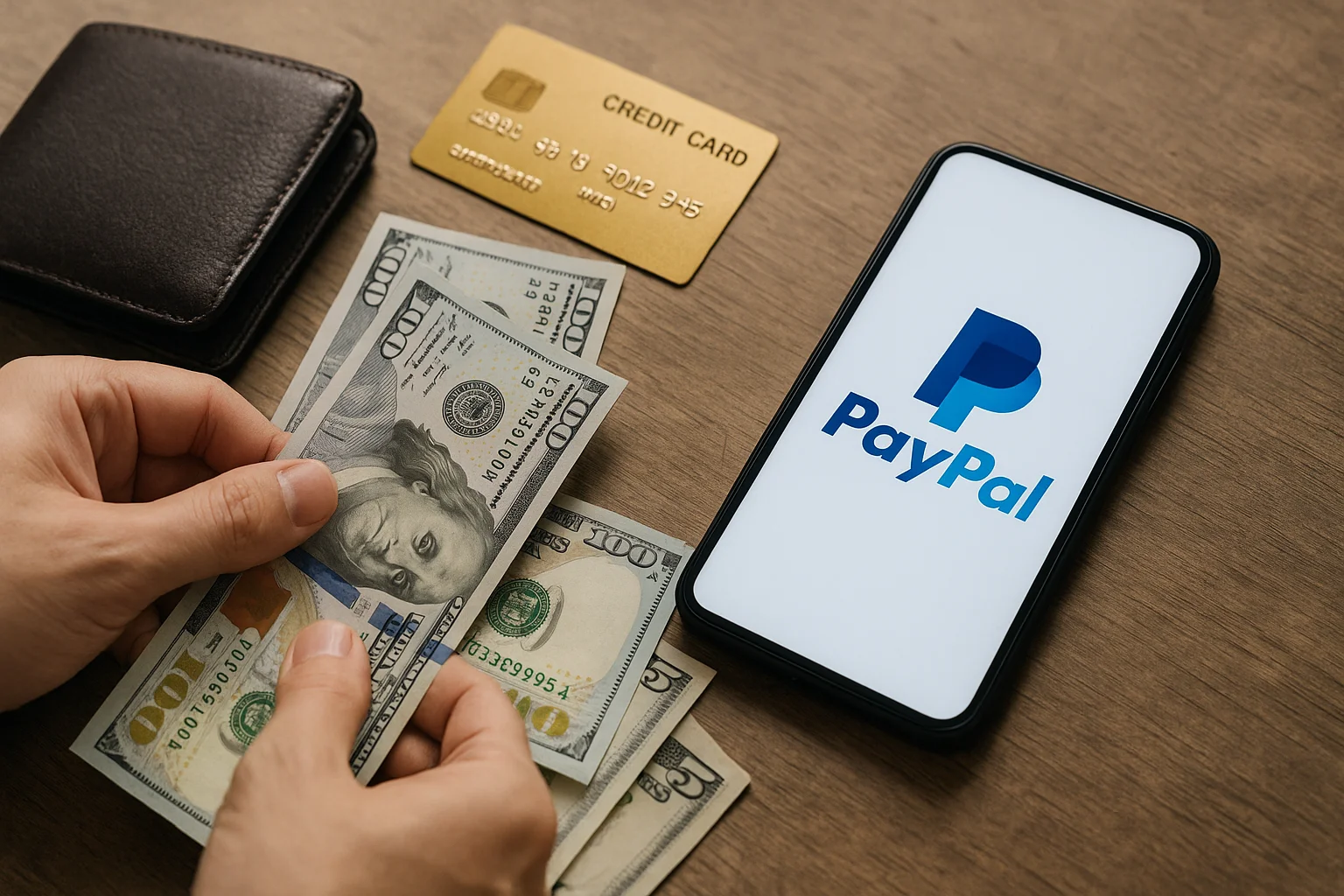
Payment is where most scams happen. Unsafe methods like wire transfers or gift cards leave you helpless. Secure methods give you protection if something goes wrong. PayPal Goods and Services is one of the best because it allows disputes. Credit cards also let you reverse charges in fraud cases. Escrow systems are another option for expensive items. For local deals, cash can work, but only in public places. Whatever method you choose, protect yourself. Never send money before you have the item.
- Use PayPal Goods & Services: Offers protection and dispute options.
- Use credit cards: Chargebacks are available if needed.
- Avoid risky apps: Don’t use unprotected payment methods.
- Use cash carefully: Exchange only in safe, public places.
- Never prepay: Deposits without proof are unsafe.
Safe payments keep control in your hands. Scammers push unsafe methods because they leave you with no options. Secure methods show the seller you are serious but careful. Many buyers lose money at this stage because they get careless. Don’t let that happen. Protecting how you pay is as important as inspecting what you buy. This used products buying guide is clear: safe payment equals safe shopping.
10: Keep proof of purchase and clean after buying
The last step completes the process. Once you buy, protect yourself by keeping records. Save receipts, screenshots, and conversations. If something goes wrong later, you’ll need proof. After protecting yourself legally, protect yourself physically. Test the item again at home. Use it normally, not just for a few minutes. Then clean it. Wash clothing, disinfect furniture, and wipe electronics. Hygiene matters as much as function. Many buyers forget this step, but it’s just as important as the rest.
- Save receipts: Keep proof for future claims.
- Take screenshots: Store listing details and messages.
- Re-test at home: Confirm everything works under real use.
- Clean items: Wash, vacuum, or disinfect before use.
- Stay alert: Act quickly if a return or claim is needed.
Proof and cleaning give you peace of mind. Records protect you from disputes. Cleaning makes the item safe and ready. These final steps are about closing the loop. Buyers who skip them often regret it later. Smart buyers know the deal isn’t done until the item is safe, clean, and documented. This Ultimate Shopping Guide ends with one reminder: protect, test, and clean to get full value from your purchase.
These Steps to Save Money and Avoid Scams
Buying secondhand is smart only if you protect both your wallet and your safety. The first rule is to compare prices. Check several marketplaces so you know the real value before you commit. Never rush, even if a seller pressures you. Negotiating with proof of resale prices often gets you a better deal. Shopping off-season can also save you more. Avoiding scams means setting clear boundaries. Do not send money before you see or track the item. Skip risky methods like wire transfers, gift cards, or unprotected payment apps. Always meet sellers in public places, and bring a friend if possible. If a deal feels wrong or the seller is pushy, walk away.
Use secure payment methods that give you buyer protection, like PayPal Goods and Services or credit cards. Save screenshots of listings, messages, and receipts. For electronics or big purchases, check the serial number and confirm it has not been reported stolen. If you follow these steps, you keep the savings while avoiding the traps. This Ultimate Shopping Guide shows that secondhand shopping can be safe, affordable, and reliable. The smarter your habits, the better your deals, and the lower your risks.
If you want to make better choices when shopping, planning is key. Small changes in how you research and compare can save big money. Check out our full guide on how to buy smartly to learn proven steps.
FAQs About Ultimate Shopping Guide
1. Is it safe to buy used electronics online?
Yes, if you buy from trusted platforms with buyer protection and test the item on arrival. Always check serial numbers and battery health.
2. How can I tell if a deal is too good to be true?
If the price is far below retail and the seller pushes for quick payment, it’s likely a scam. Compare with resale prices before deciding.
3. What payment method is best for secondhand purchases?
PayPal Goods and Services or credit cards are safest since they offer dispute protection. Avoid wire transfers and unprotected apps.
4. Should I buy used clothes or furniture without trying them first?
No. Always check size, fit, and condition. For clothes, inspect seams and fabrics. For furniture, check the structure, joints, and stability.
5. What’s the biggest mistake buyers make when shopping secondhand?
Rushing into a deal. Skipping research or inspection leads to overpaying or buying poor-quality items. Take your time and verify everything.