Shopping today looks nothing like it did a decade ago. What once meant driving across town can now be done in minutes from your phone or laptop. Whether you’re ordering groceries, comparing electronics, or looking for the best online deals, digital shopping has made finding value easier than ever. As more people buy online, shoppers are discovering new ways to unlock major online shopping savings and make smarter financial choices.
For many people, the answer is clear. The rise of e-commerce has opened access to competitive pricing, exclusive discounts, cashback programs, and tools that make comparison shopping simple. Instead of relying on limited in-store promotions, shoppers can now track prices, stack rewards, and take advantage of global competition to stretch their budgets further.
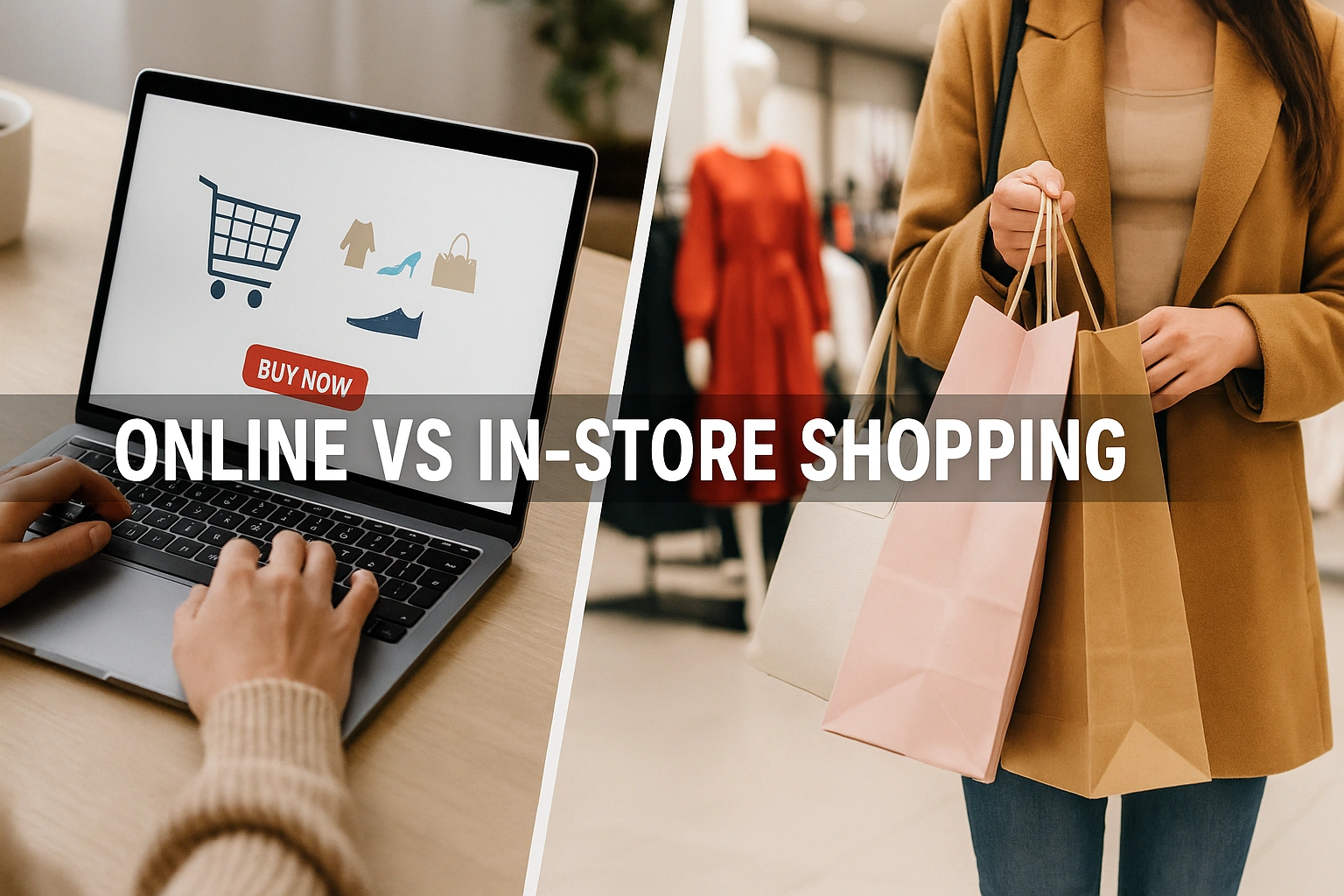
Still, physical stores offer something online retailers can’t always match: instant purchases, personal service, and the ability to see and feel what you’re buying. The balance between these two worlds continues to shift, but one thing is certain: finding the best online deals has become a major advantage for anyone who knows how to shop smart.
Why Online Shopping Usually Saves You More
Online shopping has changed the way people think about spending. Instead of rushing through crowded aisles or waiting in long checkout lines, you can browse hundreds of options from home and make smarter, calmer decisions. This convenience also brings financial benefits. When you shop online, you’re not just saving time, you’re gaining control over how, when, and where you spend your money. That control is one of the biggest reasons online shopping savings continue to grow year after year.
- No travel costs: You skip gas, parking fees, and long drives.
- Fewer temptations: Without flashy displays or salespeople, it’s easier to avoid impulse buys.
- Simple price checks: Comparing prices between stores takes seconds.
- Anytime access: You can shop day or night and catch flash deals.
- Built-in budgeting: Online carts show totals before checkout, helping you plan every dollar.
These small advantages add up quickly. Instead of reacting to marketing tricks or limited options, online shoppers can plan, compare deals, and stay focused on what they really need. The result is consistent, long-term savings that go beyond a single purchase.
How to Find the Best Online Deals
One of the biggest advantages of shopping online is how easy it is to hunt for deals. Unlike traditional stores where prices stay fixed until the next sale, online prices can change daily or even hourly depending on demand, stock, and competition. This constant fluctuation means that with a little strategy, you can time your purchases for maximum savings. Retailers are always competing for attention, so they roll out coupons, flash sales, and loyalty rewards that can drastically cut costs if you know where to look. By learning how to combine these offers, you can unlock serious online shopping savings without much effort.
- Use coupon extensions: Tools like Honey or Capital One Shopping apply promo codes automatically.
- Subscribe for discounts: Signing up for email lists often gives early access to limited sales.
- Earn cashback: Websites and credit cards offer rebates that add up with frequent use.
- Watch prices: Trackers like CamelCamelCamel alert you when prices drop.
- Shop major sales: Online events like Cyber Monday or end-of-season clearances often outlast in-store promotions.
Finding the best online deals is not about luck. It is about timing, patience, and using the right tools. When you stack coupons with cashback offers or wait for major sales, you can often cut prices by 20 percent or more on items you already planned to buy. Over time, these small wins create meaningful savings. With consistency and awareness, every purchase becomes another opportunity for smart and rewarding online shopping savings.
More Choices, More Competition, More Savings
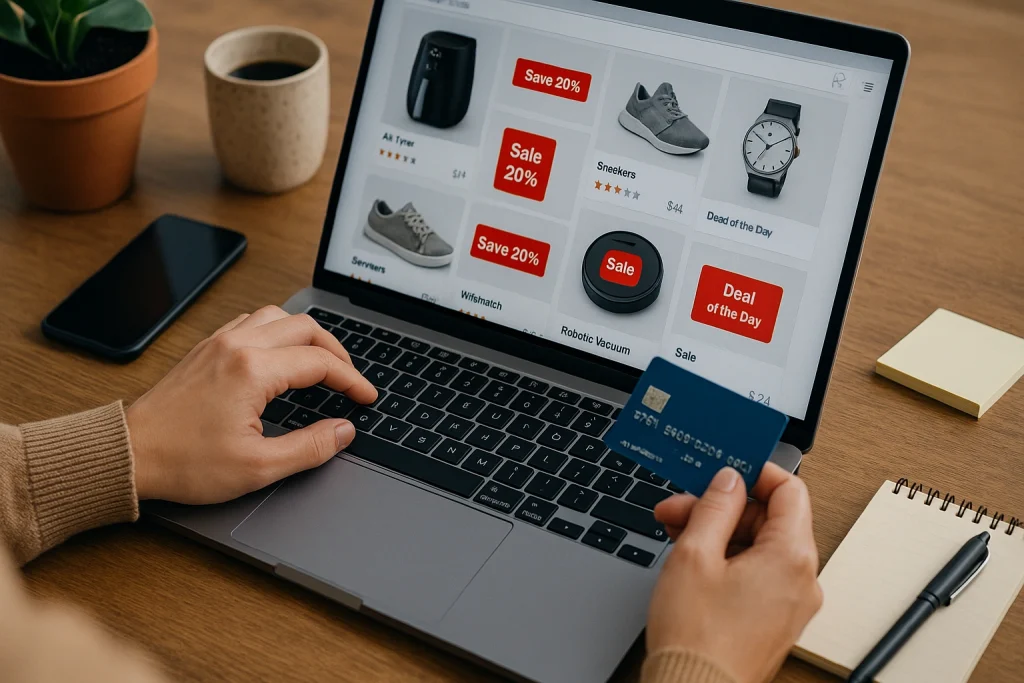
The internet has completely changed how people shop. In the past, you could only choose from what a local store had in stock. Now, you have access to thousands of brands and sellers with just a few clicks. This endless selection pushes businesses to compete for your attention, often by lowering prices, offering free shipping, or adding limited-time discounts. The result is a marketplace where buyers have the upper hand and can enjoy steady online shopping savings without waiting for the next big sale.
- Global access: You can compare offers from worldwide retailers.
- Niche items: Hard-to-find or specialty products are easier to locate online.
- Automatic price adjustments: Some sites lower prices to match competitors.
- Transparent reviews: Ratings and feedback make value comparisons easier.
- No sales pressure: You can research without feeling rushed to decide.
Having more options means you are no longer limited to what a single store decides to stock or price. You can take your time, compare every detail, and buy exactly what you need at the best possible cost. The constant competition among sellers keeps prices fair and quality high. In the end, this open, global marketplace ensures that shoppers benefit most, enjoying consistent online shopping savings across nearly every product category.
Time Efficiency Adds to Financial Savings
Time is one of the most valuable resources you have, and saving it often leads to saving money. Shopping online eliminates many of the small hassles that come with visiting stores, like traffic, parking, and waiting in line. Instead of spending hours browsing aisles or driving across town, you can compare products, read reviews, and place orders from home in just minutes. This convenience gives you back time that can be spent on work, family, or simply relaxing. That extra time, combined with lower costs, is a major reason behind consistent online shopping savings.
- No lines or traffic: Avoid crowds and checkout delays.
- Scheduled deliveries: Set up recurring orders for items you use often.
- Stress-free shopping: Buy when it’s convenient, not when you’re rushed.
- Digital receipts: Track spending instantly for budgets or taxes.
- Personalized recommendations: Algorithms often find cheaper versions of what you need.
Time efficiency is a hidden part of saving money that many people overlook. When you cut out travel time, reduce distractions, and shop at your own pace, you naturally make better decisions. You are less likely to buy on impulse and more likely to find real value. When all those factors combine, the total benefit of online shopping savings becomes even greater, proving that saving time often leads directly to saving money.
Free Shipping and Easy Returns: The Modern Advantage
Not long ago, high shipping costs were one of the biggest reasons people hesitated to shop online. That has changed completely. Today, most major retailers make free shipping and easy returns a core part of their strategy. The goal is simple: to make the online buying experience as fast, reliable, and risk-free as possible. This shift has given shoppers even more reasons to buy online, increasing convenience while adding to overall online shopping savings.
- Membership perks: Programs like Amazon Prime or Walmart+ make fast, free shipping standard.
- Free return labels: Many stores include prepaid return options for convenience.
- Faster delivery: Same-day or next-day shipping rivals in-store pickup.
- Spend thresholds: Free shipping activates after minimum order amounts.
- Pickup hybrids: Order online, pick up in store, no waiting, no fees.
These changes have removed one of the last barriers between online and in-store shopping. You can now get products quickly without paying extra, and you have the option to return or exchange items without hassle. Free shipping, combined with flexible return policies, means shoppers no longer need to choose between convenience and savings. With delivery costs out of the picture, online shopping savings are now easier, broader, and more consistent than ever before.
When Online Shopping Might Not Be Cheaper
While online shopping has clear financial advantages, it is not always the cheapest option in every situation. There are times when a quick trip to a physical store can make more sense. Factors like urgency, product type, and return conditions can affect whether buying online truly saves you money. Understanding these limits helps you make smarter decisions and avoid spending more than you planned, keeping your online shopping savings real and effective.
- Immediate needs: If you need an item today, waiting for delivery may not work.
- Fit and feel: Clothing or shoes can be unpredictable without trying them on.
- Restocking fees: Some items carry small return charges.
- Impulse ads: Targeted digital ads can lead to unnecessary purchases.
- Return limits: Electronics or perishables may have stricter return policies.
Online shopping is best for planned purchases where you can take time to compare, research, and wait for the best price. For last-minute needs or items that require testing in person, physical stores may still offer better value. The key is knowing when to buy online and when to go in-store. With that awareness, you can enjoy the best of both worlds and protect your online shopping savings from slipping away through avoidable costs.
What In-Store Shopping Still Gets Right
Even with the growing popularity of online shopping, there are still moments when visiting a store in person has its advantages. Physical stores offer a sense of immediacy and connection that digital shopping cannot always match. For certain products, being able to touch, test, or see the item before buying adds confidence and satisfaction that an online description can’t replace. In addition, local stores provide personal service and help support nearby businesses, keeping money circulating within your community.
- Instant ownership: You can use your purchase right away.
- Hands-on experience: Feeling or testing products builds confidence in quality.
- Local loyalty: Supporting nearby stores keeps money in your community.
- Personal advice: In-person staff can solve unique questions.
- Exclusive clearance: Some markdowns only appear on store shelves.
These advantages are important but limited. While in-store shopping works best for specific needs like urgent purchases or items that require testing, the long-term financial benefits of online shopping savings are hard to beat. For most everyday products, online prices, discounts, and convenience offer greater value. In-person shopping still has its place, but for consistent savings and flexibility, buying online continues to come out ahead.
Smart Habits to Maximize Online Shopping Savings
Getting the best value online is not about luck. It is about developing simple, consistent habits that help you spend less while getting more. Online shopping offers endless opportunities to save, but you need a bit of strategy and patience to make the most of them. By planning purchases, tracking prices, and using the right tools, you can turn every checkout into a chance to boost your online shopping savings and stretch your budget further.
- Compare before buying: Check at least three retailers for price differences.
- Wait for discounts: Leave items in your cart to trigger promotional emails.
- Join loyalty programs: Earn points that convert into future savings.
- Browse privately: Use incognito mode to avoid targeted price increases.
- Stack rewards: Combine store sales, cashback apps, and credit card perks.
These habits may seem small, but they can make a big difference over time. The smartest shoppers plan, stay patient, and let the deals come to them instead of buying on impulse. By consistently applying these strategies, your online shopping savings will easily surpass traditional discounts and turn everyday purchases into long-term financial benefits.
The Psychological Edge of Shopping Online

Traditional stores are carefully designed to make you spend more. From upbeat music and colorful displays to limited-time signs and product placement, every detail is meant to trigger impulse buying. Shopping online gives you a clear advantage because it removes those distractions and puts you in full control. You can browse at your own pace, think before you buy, and focus on what you actually need. This calm, distraction-free environment is one of the hidden reasons behind lasting online shopping savings.
- No sensory manipulation: You decide when and how to browse.
- Clear price visibility: Totals appear before checkout, so surprises disappear.
- Calm environment: No rush, no pressure, just time to think.
- Search filters: Narrow results by price or reviews to stay focused.
- Self-discipline: It’s easier to pause before buying when you’re not on impulse.
When you remove emotional triggers and social pressure, shopping becomes more deliberate and efficient. You are less likely to overspend and more likely to find genuine value. Over time, this mindful approach creates steady, reliable online shopping savings, turning good habits into real financial results.
The Bottom Line: Online Shopping Wins on Value
Both methods have their place, but when your goal is to stretch every dollar, online shopping savings usually come out ahead. Between lower prices, cashback programs, free shipping, and time saved, online shopping gives you more control and more rewards for your money.
While in-store shopping still offers instant satisfaction and personal interaction, online platforms have made it easier to plan, compare, and save. With a few smart habits like using coupons, waiting for sales, and stacking rewards, anyone can build lasting savings into their shopping routine.
In the end, saving money isn’t about avoiding stores altogether. It’s about knowing when to shop, what tools to use, and how to make the system work for you. When you shop strategically, the real winner is clear: online shopping savings deliver more value, more options, and more control than ever before.
Explore our detailed guide on Smart Online Shopping Tips to learn how to find the best online deals, use coupons effectively, and maximize your savings every time you shop.
Frequently Asked Questions (FAQs)
1. How can I maximize my online shopping savings?
Use coupon extensions, cashback sites, and compare prices before buying. Waiting for sales or stacking rewards can also help lower your total cost.
2. Are online prices always cheaper than in-store prices?
Usually, yes, because online stores face stronger competition. However, in-store clearance or local discounts can sometimes offer better deals.
3. Is it safe to shop online and still get the best deals?
Yes, if you shop from secure and trusted websites. Always check for “https” and use secure payment options to protect your information.
4. What’s the best time to shop online for the biggest savings?
Shop during major events like Black Friday or Cyber Monday. Mid-week and end-of-month sales also offer big price drops.
5. What should I do if the price drops after I make a purchase?
Many stores offer price adjustments if the cost decreases shortly after buying. Contact customer service or check the store’s policy to claim the difference.