Shopping used to be simple. You picked what you liked and paid the price. Today it feels very different. Prices are higher, choices are endless, and every product promises the best quality. This is why many shoppers now think carefully about Cheap vs Expensive Products before making a purchase. The common question is no longer what to buy, but whether it is better to save money or spend more for quality.
There is no single answer that fits everything. Some cheap products offer great value. Some expensive products are worth every dollar. Others are not. The real challenge is knowing the difference. This guide explains Cheap vs Expensive Products in a clear and practical way. It helps you understand where to save money and where spending more actually makes sense.
The goal is simple. Buy smarter. Avoid waste. Get real value from your money.
Understanding Cheap vs Expensive Products
Cheap products usually cost less because they use basic materials or simple designs. They are often made for short term use or light use. Expensive products usually focus on better materials, stronger build quality, and longer life. They often include added comfort, safety, or performance. For best Gadgets visit: Supplyusa
However, price does not always match quality. Some cheap items work very well for years. Some expensive items fail early or offer little real benefit. This is why Cheap vs Expensive Products should never be judged by price alone. Value matters more than cost.
Cheap vs Expensive Products and the Meaning of Value
Value is what you get over time, not what you pay at the start. A cheap product that breaks quickly forces you to buy again. That doubles the cost. An expensive product that lasts many years may cost more at first but saves money later.
When thinking about Cheap vs Expensive Products, ask how long the item will last, how often you will use it, and how hard it is to replace. These questions matter more than the price tag.
Cheap vs Expensive Products in Everyday Life
Everyday items quietly shape your budget. You buy them often and use them daily. Small choices here can create big savings or big waste over time. Clothing, shoes, and home items are common examples.
A smart shopper learns where cheap works and where it does not. Balance is the key.
Cheap vs Expensive Products: Clothing Choices
Cheap clothing is useful for trends, casual wear, or items worn only a few times. Many low cost clothes look fine at first but lose shape or color after repeated washing. Fabric quality is often lower, and stitching may weaken.
Expensive clothing usually uses better fabric and stronger stitching. It keeps its look longer and feels more comfortable on the body. That does not mean all clothes should be expensive. Basic shirts, sleepwear, and seasonal items can be cheap. Work clothes, jackets, and winter wear often deserve more investment.
In Cheap vs Expensive Products, clothing value depends on use, comfort, and durability.
Cheap vs Expensive Products: Shoes and Foot Health
Shoes affect posture, comfort, and long term foot health. Cheap shoes often lack proper support and wear out quickly. This can cause pain or discomfort, especially for people who walk or stand a lot.
Expensive shoes usually offer better cushioning, stronger soles, and longer life. They support the foot better and reduce strain. In this case, Cheap vs Expensive Products clearly favors spending more, especially for daily use shoes.
Cheap vs Expensive Products in Electronics
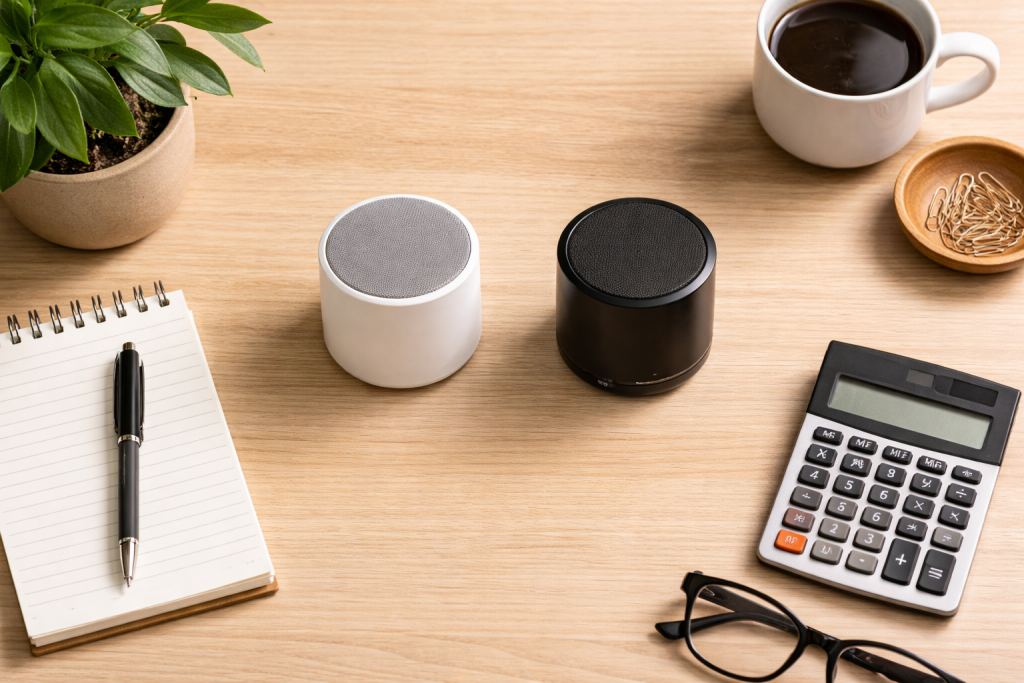
Choosing between cheap and expensive products depends on use, value, and long-term needs.
Electronics are sensitive items. Quality matters for safety and performance. Cheap electronics may use low quality parts and offer little protection against heat or power issues. They may fail suddenly or perform poorly over time.
Expensive electronics often provide better performance, longer support, and safer design. That said, the highest price is not always the best choice. Many mid range products offer excellent balance between cost and quality.
When comparing Cheap vs Expensive Products in electronics, focus on reliability, safety, and warranty.
Chargers and Cables
Chargers and cables look simple, but quality is critical. Cheap cables often break, charge slowly, or stop working without warning. Poor quality chargers can damage devices or reduce battery life.
Expensive or trusted brand accessories last longer and charge safely. Spending a little more here protects your devices and avoids repeat purchases. Cheap vs Expensive Products clearly supports quality in this category.
Cheap vs Expensive Products for Home and Comfort
Home products are long term purchases. They affect comfort, safety, and daily routine. Choosing wisely here prevents frustration and waste.
Cheap kitchen tools are fine for light or occasional use. Measuring cups, storage boxes, and basic tools can be affordable without problems. However, items like knives, pans, and cooking tools benefit from better materials.
Expensive kitchen tools last longer, work better, and feel safer to use. Cheap vs Expensive Products in the kitchen depends on frequency of use and importance of performance.
Furniture and Daily Use
Furniture quality affects posture and comfort. Cheap furniture may look attractive but often uses weak materials. Over time, joints loosen and surfaces wear out.
Expensive furniture usually offers stronger structure and better support. Spending more on beds, sofas, and office chairs often improves comfort and health. Temporary or decorative furniture can be cheaper. Cheap vs Expensive Products in furniture is about long term use.
Cheap vs Expensive Products and Health Impact
Health related items deserve careful thought. Cutting corners here can lead to problems later. Personal care products, sleep items, and fitness gear all affect well being. Cheap personal care products may contain harsh ingredients that cause skin or hair problems. Expensive products are not always better, but trusted brands often invest more in testing and safety.
Choosing the right product matters more than choosing the cheapest one. In Cheap vs Expensive Products, health should always come first.
Fitness Equipment
Fitness gear faces stress and pressure. Cheap equipment may break or fail, creating safety risks. Expensive gear usually offers better balance, grip, and durability.
For regular exercise, quality gear is worth the cost. Beginners can start with cheaper options and upgrade later. This flexible approach fits Cheap vs Expensive Products well.
Cheap vs Expensive Products for Travel Needs
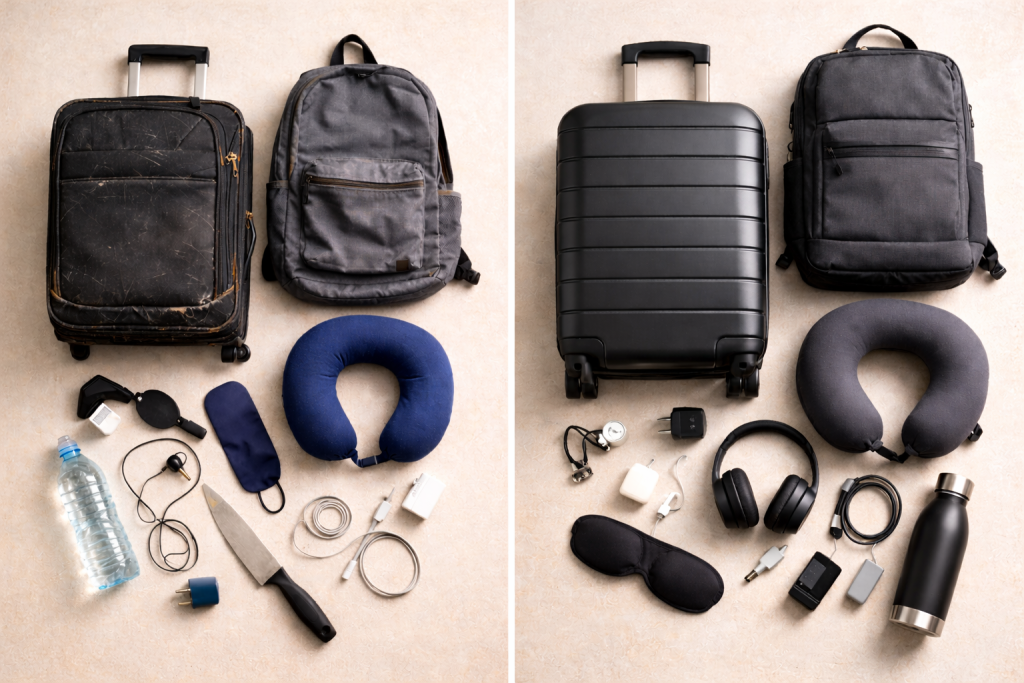
A side-by-side look at cheap and expensive travel products, highlighting differences in durability, design, and long-term value.
Travel items face rough handling and frequent movement. Poor quality products can fail at the worst time.
Luggage and Bags
Cheap luggage often suffers from broken wheels, weak handles, and faulty zippers. Expensive luggage lasts longer and protects belongings better. For frequent travelers, spending more is usually worth it.
Cheap vs Expensive Products strongly favors quality for luggage. For 25% discount visit: Valuecreditcards
Small accessories like neck pillows, eye masks, and organizers do not need a large budget. Cheap versions usually work fine and are easy to replace. This is a smart place to save money.
Cheap vs Expensive Products for Children
Children grow fast, and their needs change often. Buying expensive items that will be outgrown quickly rarely makes sense. Cheap clothes, toys, and shoes are often enough.
However, items related to safety or learning, such as school bags or study furniture, may deserve better quality. Cheap vs Expensive Products for kids should focus on safety and practicality. Many brands charge extra for name value rather than real quality. Attractive packaging and heavy promotion can raise prices without improving performance. Reviews, materials, and warranty are better indicators than brand name alone.
Not all expensive brands offer value. Cheap vs Expensive Products should always be judged by real use, not marketing.
When Cheap Makes Sense
Cheap products are often the best choice when the item is used rarely, has low risk, or is easy to replace. Seasonal decor, phone cases, party items, and trial products fall into this group. Saving money here is logical and efficient. Spending more is the better choice when the product affects safety, health, or daily comfort. Shoes, mattresses, electronics, and furniture belong here. These items benefit from better design and longer life.In these cases, Cheap vs Expensive Products clearly supports long term value.
How to Decide Between Cheap vs Expensive Products
A simple decision process helps. Think about how often you will use the item. Consider what happens if it fails. Ask how easy it is to replace. Check whether it affects health or safety.
If failure causes pain, risk, or major cost, spend more. If failure causes only minor trouble, cheap is fine. This approach removes confusion from Cheap vs Expensive Products decisions.
Smart shopping is not about choosing cheap or expensive every time. It is about balance and awareness. Some cheap products are great. Some expensive products are necessary.
By understanding use, risk, and long term value, you can make confident choices. Cheap vs Expensive Products becomes less confusing when you focus on real needs instead of price tags. This mindset helps you save money, avoid regret, and build a better buying habit.