Fake Online Reviews: How to Spot and Avoid Them
Shopping online has never been easier. With just a few clicks, you can order almost anything, from everyday essentials to luxury items, delivered straight to your door. But as convenient as it is, the internet has also become a place where not everything is as it seems. Fake online reviews and carefully planned online scams have made it harder for shoppers to know who to trust.
Understanding how to spot fake online reviews and avoid online scams is essential for anyone who shops online. Whether you’re looking for a new gadget, a beauty product, or a great deal, knowing what to watch for can protect your money and personal information.
In this article, we’ll explore how to recognize fake reviews, identify red flags, and shop with confidence in 2025. By the end, you’ll know how to tell what’s real, what’s not, and how to stay safe from deceptive sellers and scam websites.
How to Tell if Online Reviews Are Fake
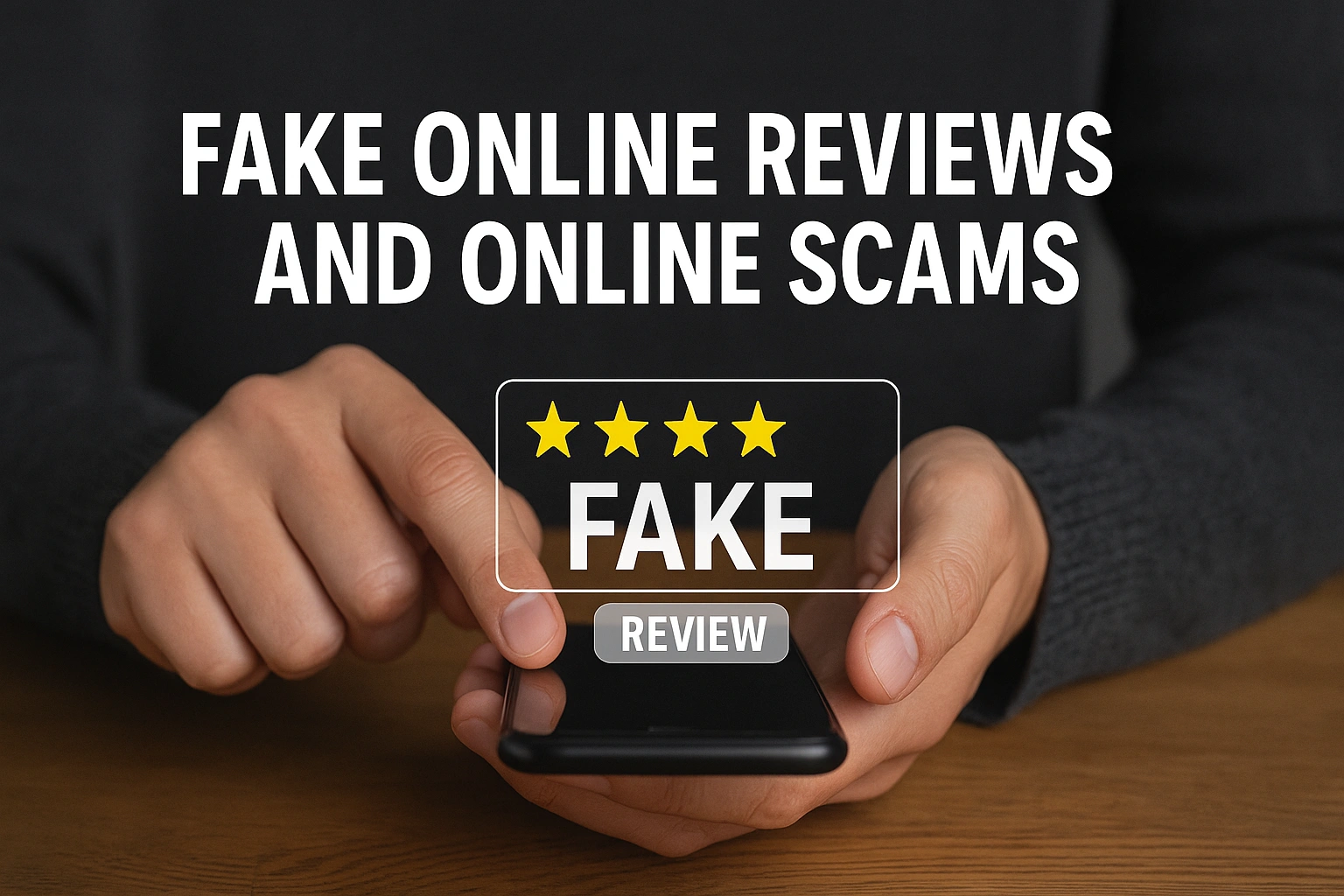
Not all online reviews are honest. Some are written by paid writers or bots to make poor-quality products look trustworthy. Learning how to spot fake online reviews can save you from wasting money or falling for online shopping scams. Watch for these warning signs before you click “Buy”:
- Too Perfect Language: Reviews that sound overly positive or robotic are often fake.
- Review Clusters: A sudden burst of five-star reviews in a short time usually signals manipulation.
- Generic Text: Be cautious if every review says the same thing without real product details.
- Empty Profiles: Fake reviewers often have no profile photos, usernames, or other activity.
- No “Verified Purchase” Tag: Without this label, there’s no proof the person actually bought the product.
- Use Tools: Sites like Fakespot and ReviewMeta can analyze and rate review authenticity.
If a review sounds unnatural, overly emotional, or repetitive, trust your instincts. Real reviews are specific, balanced, and honest. Taking a moment to spot fake online reviews can help you avoid online scams and shop with more confidence.
1. Check Review Dates and Patterns
When you’re shopping online, timing can tell you more than you think. One of the easiest ways to detect fake online reviews is by looking at when they were posted. Scammers often create dozens of fake accounts and post reviews in bulk to make a product look instantly popular. These quick bursts of activity are a common sign of online scams that rely on false credibility to attract buyers.
What to look for:
- Sudden Spikes: If a product receives dozens of five-star reviews within a short time, that’s suspicious.
- Repeated Phrases: Identical wording or overly similar sentences suggest automation or paid reviews.
- Short Review Bursts: Many reviews written within a few days of launch often point to manipulation.
Authentic reviews show natural variety in timing, tone, and opinion. When you notice patterns that seem unnatural, take a step back. It’s better to double-check than fall for fake online reviews or online scams pretending to be honest customer feedback.
2. Verify Reviewer Profiles
Another smart way to spot fake online reviews is by checking who wrote them. Clicking on a reviewer’s name can reveal a lot about their credibility. Real customers usually share a mix of honest feedback across different products and brands. In contrast, fake profiles created for online scams often exist solely to post positive reviews and boost seller ratings.
Warning signs to watch for:
- No Profile Photo: Accounts without a photo or personal details often signal fake identities.
- Few or Identical Reviews: Profiles that post only a handful of reviews, or copy the same text repeatedly, are likely fake.
- Only Perfect Ratings: Be cautious if every review they’ve written is five stars with no criticism.
Authentic reviewers sound genuine, offer specific details, and sometimes mention both positives and negatives. Taking a minute to verify profiles can help you separate real feedback from fake online reviews and avoid falling for online scams.
3. Look for Meaningful Comments
One of the clearest signs of fake online reviews is a lack of real, meaningful detail. Scammers often post vague or irrelevant comments to fill space and make a product look more popular. Reading the content of reviews carefully can help you spot when something doesn’t add up.
What to check for:
- Off-Topic Reviews: Comments that mention features unrelated to the product, such as “great sound quality” on a phone case, are a clear warning sign.
- Copy-Paste Text: Reviews that repeat identical wording across different listings often come from fake accounts.
- No Real Experience: Be cautious of reviewers who use general praise without explaining what they liked or didn’t like.
Always read beyond the star rating and focus on substance. Genuine customers describe how they used the product and what stood out. When feedback feels empty, repetitive, or off-topic, it’s often part of fake online reviews linked to online scams.
4. Check for Verified Purchases
Most major shopping platforms, such as Amazon and eBay, label reviews from verified buyers. This badge means the person actually bought the product through that platform, making their feedback more trustworthy. However, scammers have found ways to exploit the system, using fake orders or refunds to appear legitimate. That’s why this check should be part of a broader strategy, not your only line of defense.
What to keep in mind:
- Look for the Badge: Verified purchase tags add credibility, but they don’t guarantee honesty.
- Watch for Overly Positive Tone: Even verified reviews can be fake if they sound exaggerated or unnatural.
- Compare with Non-Verified Reviews: Differences in tone or wording between verified and unverified reviews can reveal manipulation.
Using verified purchase tags is a good first step, but not the final one. Always combine this with other signs of authenticity to protect yourself from fake online reviews and online scams that aim to mislead buyers.
5. Use Tools to Detect Fake Reviews and Online Scams
Sometimes fake online reviews look so convincing that even careful shoppers can miss them. That’s where online tools come in. Several free browser extensions and websites can analyze product reviews, identify patterns, and rate their reliability. These tools make it easier to spot online scams before you spend your money.
Popular options to try:
- Fakespot: Grades reviews from A to F based on how trustworthy they appear.
- ReviewMeta: Filters out fake or manipulated reviews to give a more accurate rating.
- Trustpilot: Offers detailed feedback from verified customers and exposes suspicious sellers.
If a product’s trust score or adjusted rating looks unusually low, treat it as a red flag. Using these tools together with your own judgment can help you avoid fake online reviews, steer clear of online scams, and make safer, smarter shopping decisions.
6. Watch Out for Unrealistic Discounts or Flash Sales
Huge discounts and limited-time offers can be tempting, but they’re also one of the oldest tricks used in online scams. Fraudulent websites often create fake urgency to pressure shoppers into making quick decisions without checking the details. If a deal looks too good to be true, it probably is. Taking a moment to verify the website’s authenticity can save you from losing both money and personal data.
Before you buy, check the basics:
- Secure Website: The URL should start with https:// and show a padlock symbol.
- Real Contact Information: Look for a valid address, phone number, or customer service email.
- Reasonable Pricing: Extreme discounts or “90% off today only” claims are red flags.
Most fake online reviews and online scams use pressure tactics to build false urgency and make you act fast. Stay calm, compare prices, and research the seller before entering any payment details. A quick double-check can protect you from becoming the next victim of a shopping scam.
7. Compare Prices Across Trusted Sites
Price comparison is one of the simplest yet most effective ways to avoid online scams. Scammers often post counterfeit or low-quality items at prices that seem unbelievable to catch your attention. A quick check across well-known retailers can reveal whether a deal is genuine or suspicious.
How to stay safe when comparing prices:
- Check Multiple Retailers: Look up the same product on trusted sites like Amazon, Walmart, or Target.
- Question Big Price Gaps: If one site lists the item for far less, it may be fake, used, or part of a scam.
- Do a Quick Search: Type the product name with words like “scam” or “review” in Google to see what others are saying.
Taking a few minutes to compare prices can expose dishonest sellers and prevent you from falling for fake online reviews or online scams. Genuine deals are usually consistent across reputable platforms, while unrealistic prices are often the first warning sign of fraud.
Thoughts on Fake Reviews and Online Scams
Online shopping has made life more convenient than ever, but it also comes with new risks. Scammers continue to find clever ways to use fake online reviews, misleading offers, and fraudulent websites to trick unsuspecting buyers. The good news is that a little awareness goes a long way.
Before making any purchase, slow down and check the details. Read through reviews carefully, verify seller information, and trust your instincts if something doesn’t feel right. Real reviews come from real experiences. They sound natural, include specific details, and often mention both positives and negatives. Fake ones tend to be short, overly enthusiastic, or suspiciously generic.
By taking a few extra minutes to research, compare, and verify, you can protect yourself from online scams and make safer, smarter shopping decisions. Online shopping should make your life easier, not risk your money or privacy. Stay informed, stay alert, and enjoy the convenience of shopping online with confidence.
FAQs About Fake Online Reviews and Online Scams
1. How can I tell if an online review is fake?
Look for overly positive language, repeated phrases, or reviews that sound unnatural. Genuine reviews usually mention both pros and cons.
2. What are the risks of fake online reviews?
Fake reviews can mislead you into buying poor-quality products or falling for online scams that steal payment details or personal data.
3. Are verified purchase reviews always real?
Not always. Some scammers buy their own items to earn a “verified” badge. Always check the review’s details, tone, and timing before trusting it.
4. How do I avoid online scams while shopping?
Shop only on trusted websites, check refund and privacy policies, and use secure payment methods such as PayPal or credit cards.
5. What tools can detect fake online reviews?
Websites like Fakespot, ReviewMeta, and Trustpilot can analyze reviews and highlight suspicious or fake activity.